

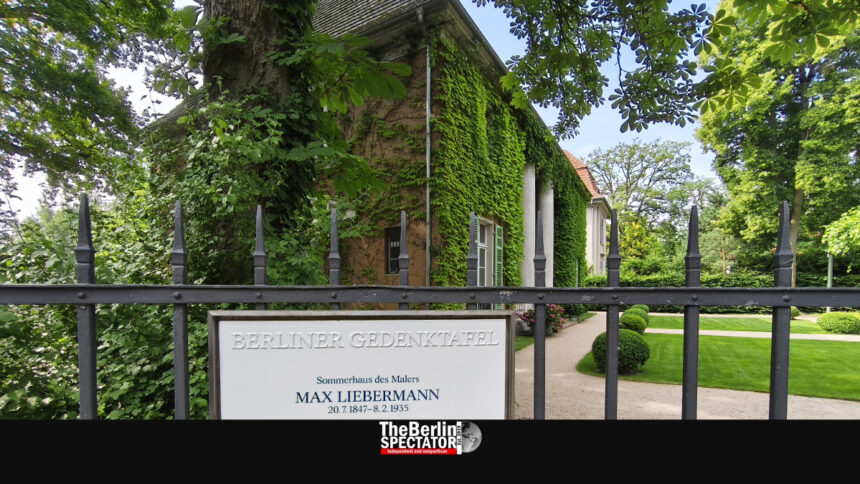
June 19th, 2026 (The Berlin Spectator) – Max Liebermann was one of the most gifted painters in Germany and one of the leading impressionists in Europe. His legacy consists of thousands of paintings part of which are in private hands. Not all of them are accounted for, but many are being exhibited at the Liebermann Villa, which is located at Wannsee lake in Berlin’s south.
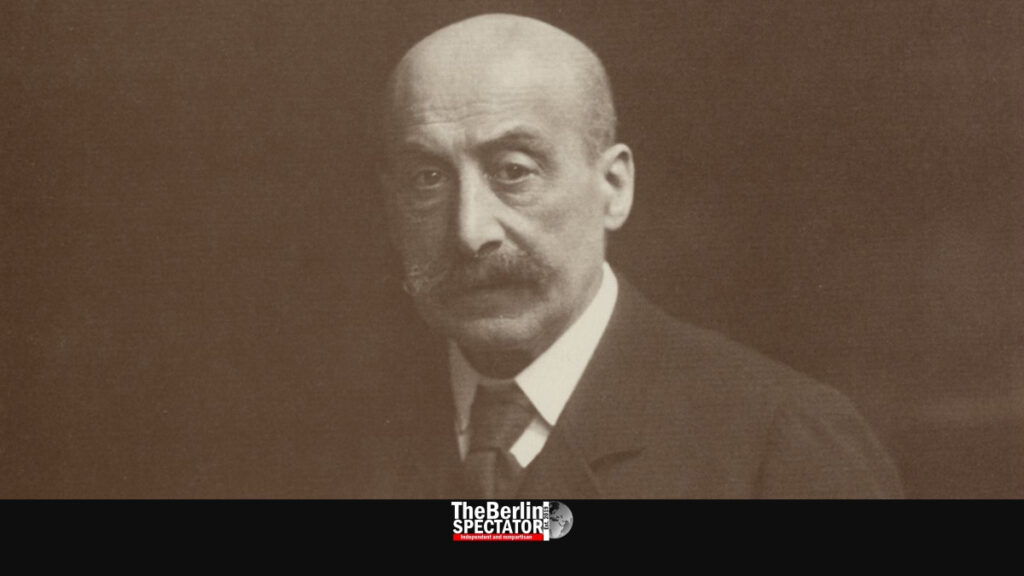
In 1847, he was born into a wealthy Jewish family in Berlin. When Max Liebermann was ten years old, he and his family moved into a house at the city’s best location, namely right next to Brandenburg Gate. He lived there for 78 years, until his death in 1935. Liebermann did experience the first two years of Nazi Germany, but not the Shoah. His wife Martha committed suicide eight years later, just before she was supposed to be deported to the Theresienstadt concentration camp in March of 1943.
In the 1880s, Max Liebermann created naturalistic paintings with fascinating colors. Edgar Degas’ influence can be identified on his early pieces. Later, he became a proponent of the Modern Classical Movement, which greatly influenced his work. From 1920 to 1932, Liebermann was President and Honorary President of the Prussian Academy of Arts. Being a Jew, he was forced to leave the organization in 1933, when Hitler came to power.
“I now live only on hatred” he told one of his few visitors during the last two years of his life. “I no longer look out of the windows of these rooms. I don’t want to see the new world around me.”
Quiche Lorraine
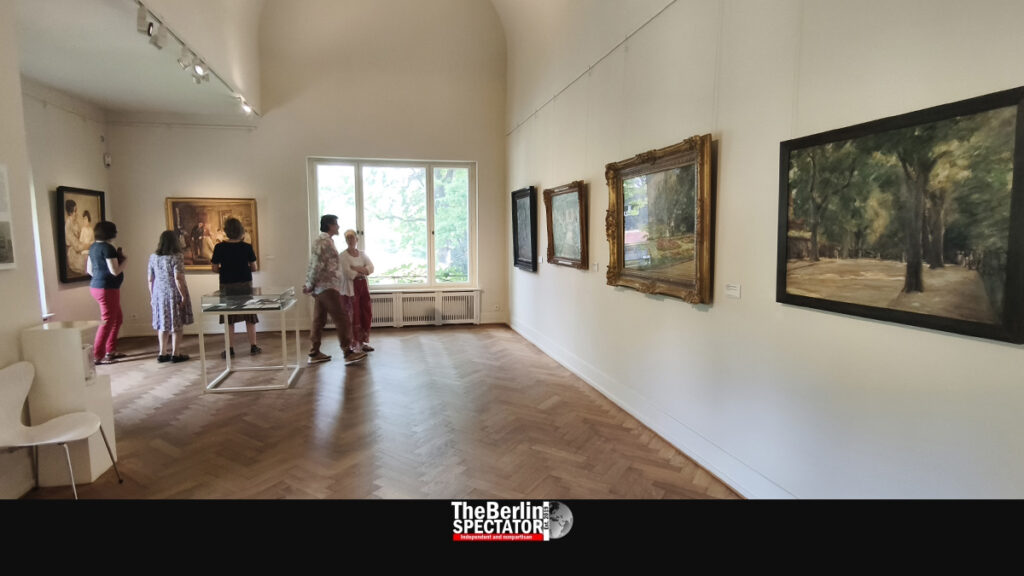
By 1909, Max Liebermann had earned enough to fulfill a dream he had had for a while. He purchased two adjacent pieces of land at Wannsee and built a summer house with two gardens and direct access to the water. There are numerous interesting architectural aspects about both the villa and the gardens, which guides on site will explain to visitors. Part of Liebermann’s work can be admired on the first floor.
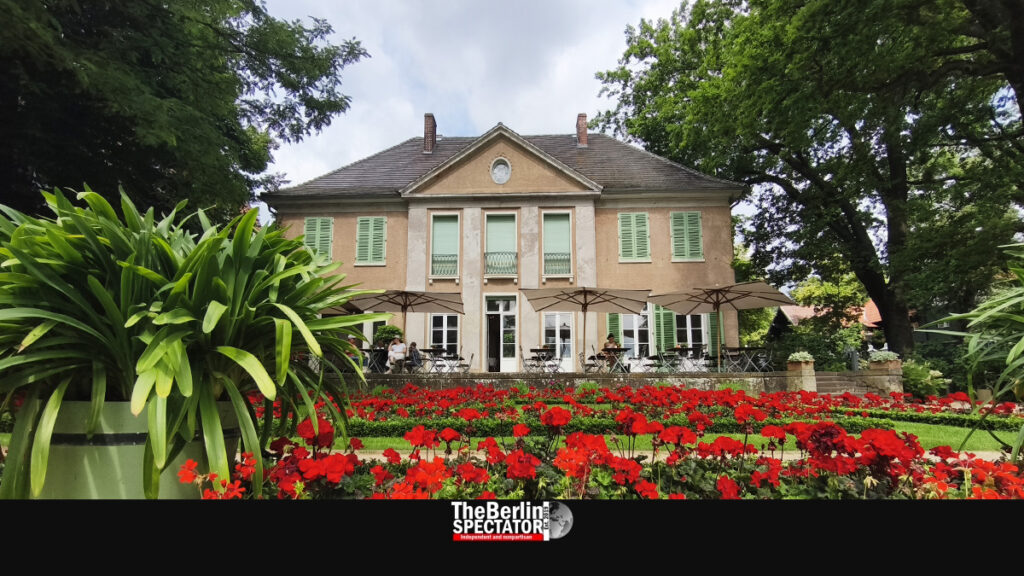
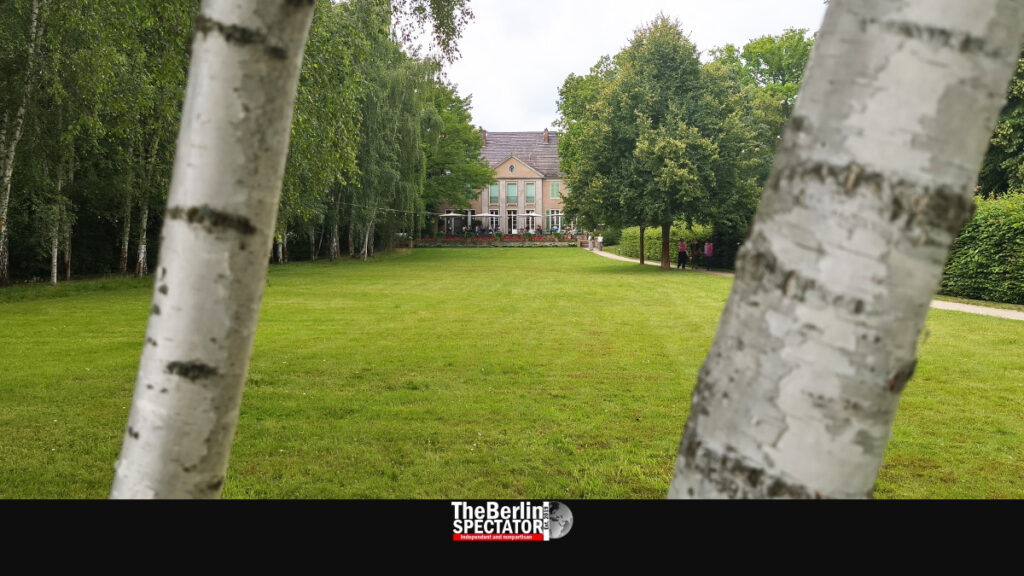
But the Liebermann Villa is more than just a museum. On a warm spring day in June of 2026, just yesterday, when the place opened at 10:00 a.m. sharp, people from the neighborhood populated the building’s terrace. They were not going to look at Liebermann’s work for the 30th time, but enjoy a nice little quiche lorraine or cake with coffee, sitting at one of the tables with the most beautiful view in town.
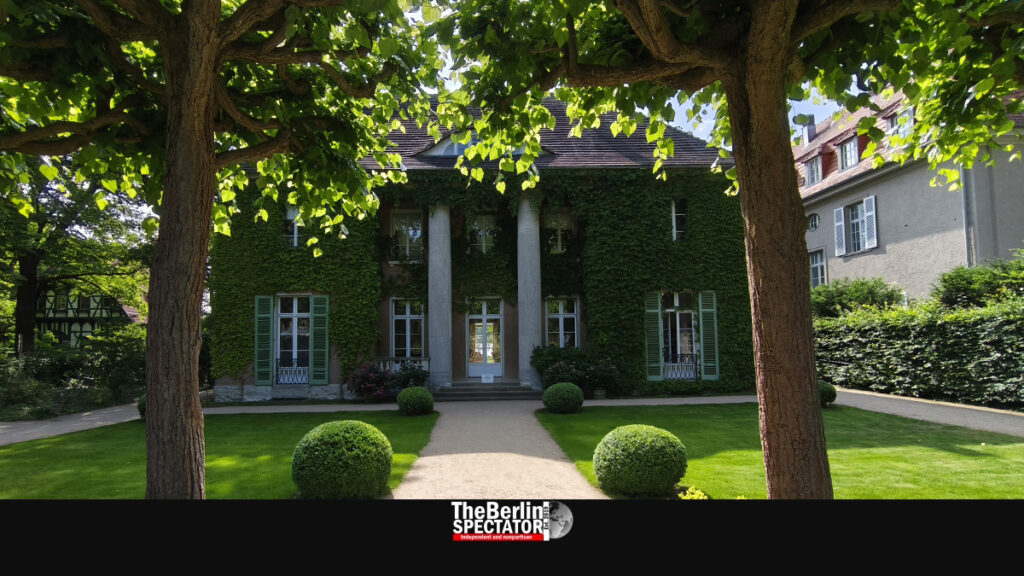
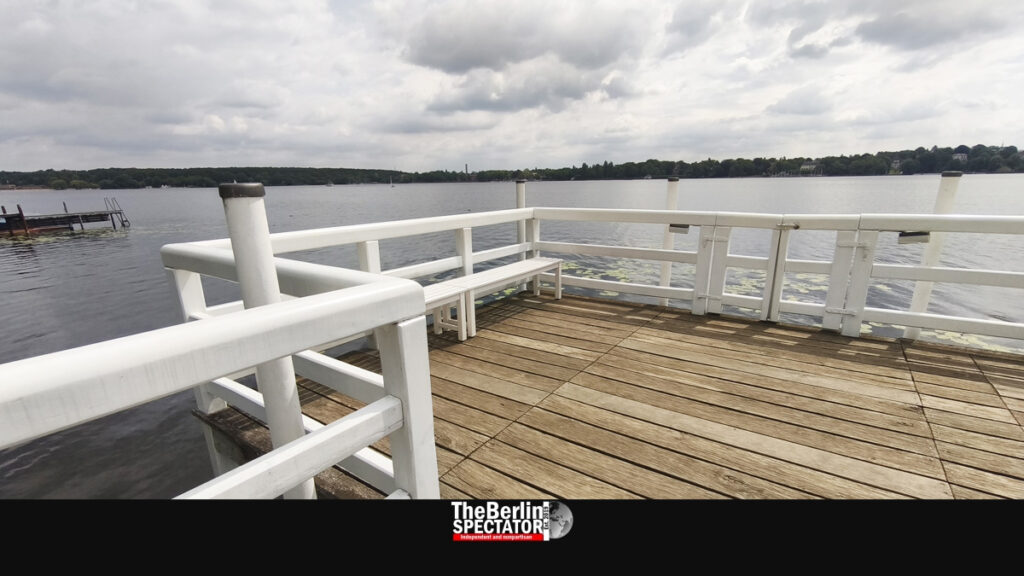
Tourists looked at the partially exotic flowers in the back garden before invading the exhibit. Visitors will quickly become aware of the fact that the Liebermann Villa is more than a museum and a self-service café, but also a place of beauty and quietude. Here, we can learn about Max Liebermann’s history and smell the roses in the garden. Enjoying the quietude and sitting at the dock while staring at the lake is another activity visitors engage in.
Bathing Suits
The Liebermann Villa, which has an interesting history itself, is located at Colomierstrasse 3 in 14109 Berlin. It can be reached by an S-Bahn train and a bus or by bicycle. Experienced cyclists will get there within 90 minutes from Berlin’s Mitte borough or 45 minutes from Steglitz.
On hot days like the ones we are experiencing right now, bringing bathing suits and trunks does not hurt, since there are bathing spots in walking distance.