


Chancellor Friedrich Merz is preparing a sweeping reshuffle of key posts following the resignation of parliamentary group leader Jens Spahn. According to German-language media, four additional personnel moves are set to follow the already-announced switch of Chancellery Chief of Staff Thorsten Frei to the head of the parliamentary group. Merz was expected to present the changes publicly today.
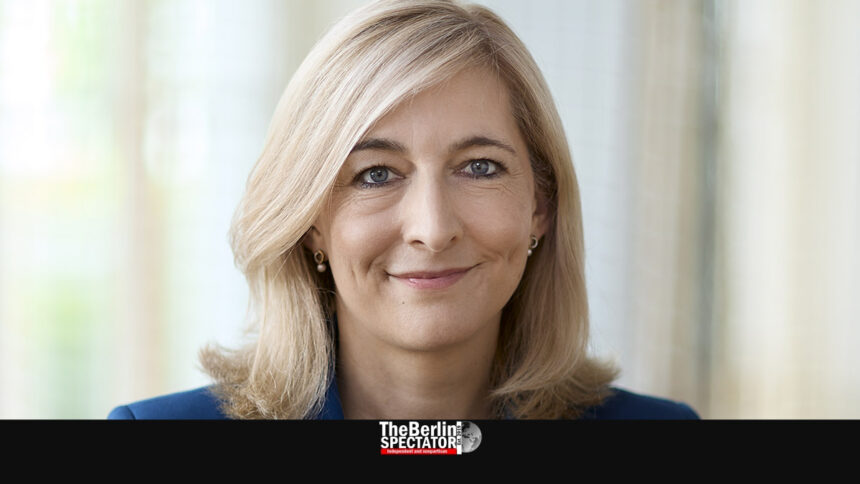
Health Minister Nina Warken (CDU) is slated to take over Frei’s post at the Chancellery. CDU Secretary General Carsten Linnemann is expected to succeed her as health minister, while the party’s outgoing treasurer, Franziska Hoppermann, would step into Linnemann’s role as CDU manager. Philipp Amthor (CDU), currently parliamentary state secretary at the digital ministry, is set to replace Michael Meister as the federal government’s coordinator for relations with the states.
As of Thursday evening, none of the moves had been officially confirmed, though several outlets had reported on them. A source close to Merz said the Chancellor “would announce the personnel decisions once all open questions had been clarified.” Still unresolved was who would take over Hoppermann’s treasurer post and who would succeed Amthor at the digital ministry.
Significance of the Office
Merz signaled a broader personnel shake-up in the wake of Spahn’s departure as early as last Sunday, during his “Sommerinterview” on public broadcaster ZDF. He said it could be “an opportunity to think once more about the composition of the federal government.”
On Wednesday, Merz had already announced that Frei would move to the top of the parliamentary group as Spahn’s successor. It had also been clear since Tuesday evening that Warken was his preferred choice to succeed Frei at the Chancellery, though dpa reported she had initially hesitated over family considerations.
Linnemann is also reported to have been approached as early as Tuesday about taking on the health ministry, though Merz chose to present only the new parliamentary group leader on Wednesday, out of what aides described as respect for the group and the significance of that office.
Warken Praised for Reform Record
Before her appointment as health minister last year, Warken was relatively unknown to the broader public despite years of political experience. She has sat in the Bundestag, with one brief interruption, since 2013. The 47-year-old lawyer served as parliamentary secretary of the CDU/CSU group in the last legislative term and has led the CDU’s influential Women’s Union since 2025.
Does The Berlin Spectator have a newsletter? Sure. You can subscribe to it here.
Merz made clear how highly he regards her in April, when Warken presented her reform of statutory health insurance. He praised her courage, judgment, honesty and empathy — qualities she is likely to need in her new Chancellery role as well.
Countering the “Boys’ Club” Image
By choosing a woman for the post, Merz pushes back against criticism that the Chancellery functions as an all-male domain. All of his closest advisors are currently men, including the two senior department heads for foreign and economic policy, the government spokesman, the Chancellery chief of staff and his office manager.
Merz had already suggested he would use the reshuffle to further raise the share of women in Union leadership roles. He said he had already made progress on that front since becoming CDU chairman, adding: “I am doing everything to make this even better.”
Franziska Hoppermann is also set to take the reins at the Konrad-Adenauer-Haus, the CDU’s headquarters, having previously worked behind the scenes as federal treasurer while sitting on the party’s presidium. The business graduate has represented the Hamburg-Wandsbek constituency in the Bundestag since 2021 and sits on the budget committee as well as the committee on digital affairs and state modernization.
With three state elections due in September, the 44-year-old could face a turbulent start — though she has the advantage of not yet being held responsible for any losses.
Linnemann’s Second Chance
Linnemann had a chance to join the cabinet after the federal election but passed it up, having been floated as minister of a planned “super-ministry” merging economic and labor affairs — a merger that never materialized. He chose to stay on at party headquarters instead.
His tenure there over the roughly first 15 months of the CDU/SPD coalition was not without difficulty. Operating in the shadow of Merz as both chancellor and party leader, he struggled to fully assert himself. While the government bears more responsibility for the Union’s declining poll numbers, some of that burden has stuck to him as party manager — and the extremist right-wing AfD has since pulled well ahead of the Union in national polling.
The 33-year-old Amthor, from Mecklenburg-Western Pomerania, is regarded as one of the CDU’s most talented young politicians. At the digital ministry, he most recently focused on cutting bureaucracy. In removing Meister, Merz is responding to considerable dissatisfaction among state governments over coordination between federal and state authorities.
The reshuffle was set in motion by Jens Spahn’s resignation as Union parliamentary group leader on Saturday, after he disclosed that he and his husband, Daniel Funke, had had a child via surrogacy in the United States. Surrogacy is illegal in Germany, and Spahn’s move followed sharp criticism, including from within his own party. The 46-year-old CDU politician from North Rhine-Westphalia has not yet said whether he intends to keep his Bundestag seat.