

Berlin, October 25th, 2021. Update: August 14th, 2026 (The Berlin Spectator) — “Take me to the airport” is a sentence taxi drivers all over the world hear every day. But in some cities, including Berlin, the passenger will need to provide more specific information, since there are four airports. One of them, Berlin Brandenburg Airport (BER), was opened in 2020. It replaced all other major airports in the region.
The next one, Tegel, was closed when BER opened. Also there used to be Schönefeld Airport, the most important airline hub in the communist GDR. Interflug, Eastern Germany’s airline, took off from here.
Baseball on the Airfield
And there is the fourth Berlin airport: Tempelhof. This one is unconventional. Nobody is heading to the gate or fasten their damned seatbelts. Not at Tempelhof Airport.
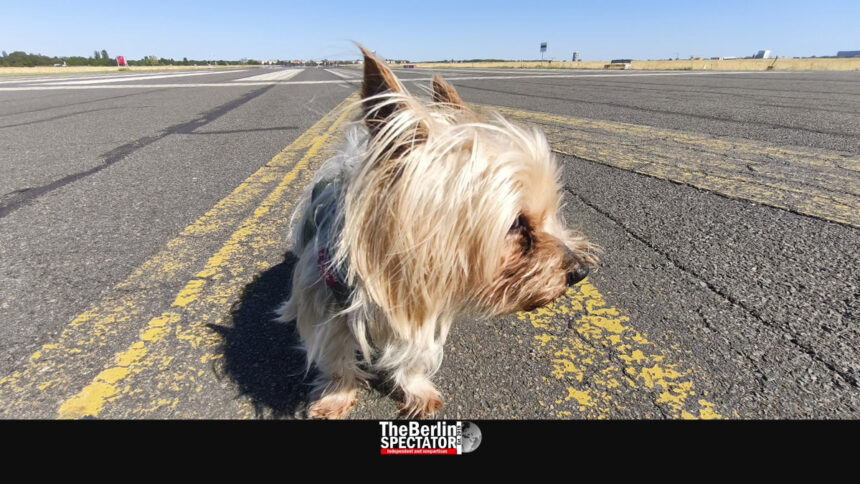
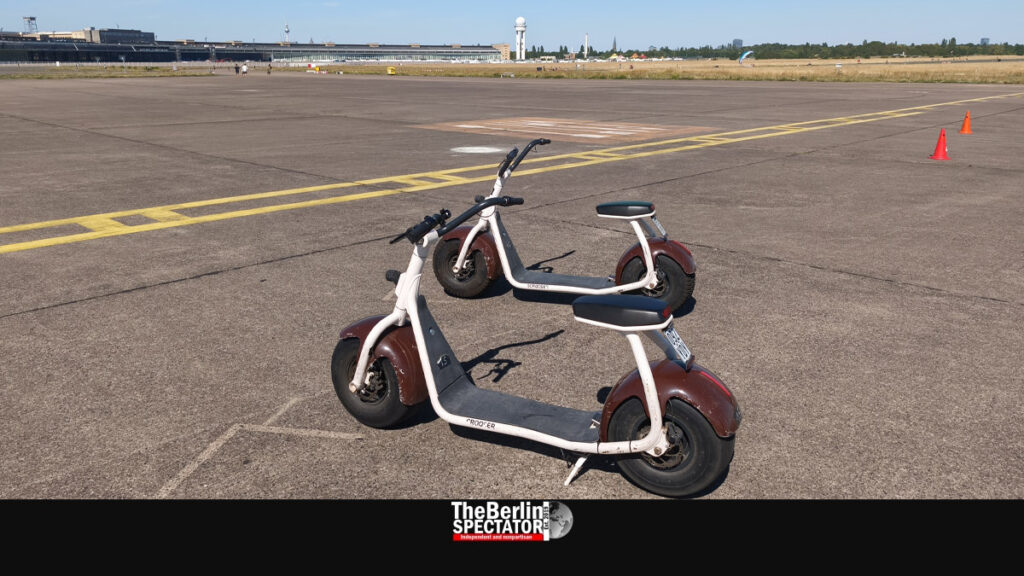
Yes, there are dogs like Maya the Yorkshire Terrier. There are flying objects here, but those are kites. The runway is overcrowded when the weather is nice. But instead of aircraft, cyclists and parents with strollers are using it. They would probably take off if they had wings and a little more thrust.
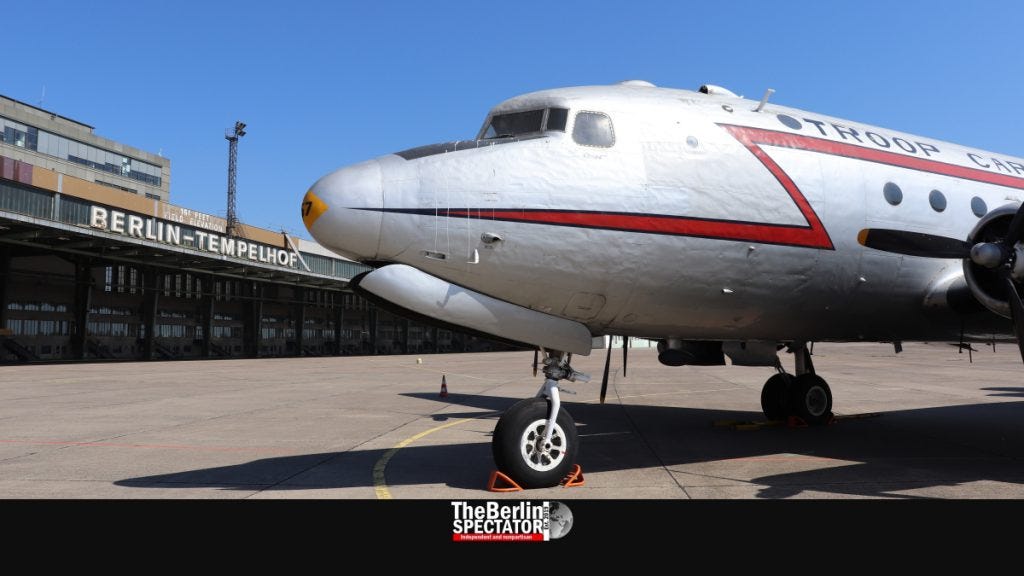
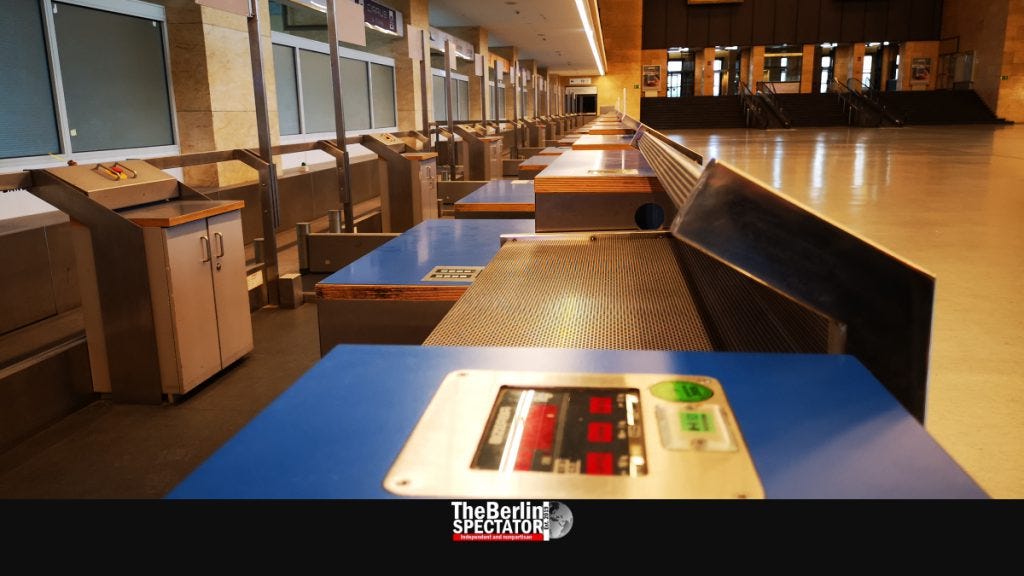
Tempelhof does have a rather big terminal, a tower and a runway. But the only two planes found on its premises are old and not airworthy. They are just here to convince people they are actually at an airport. These historic aircraft played a vital role in the Berlin Airlift.
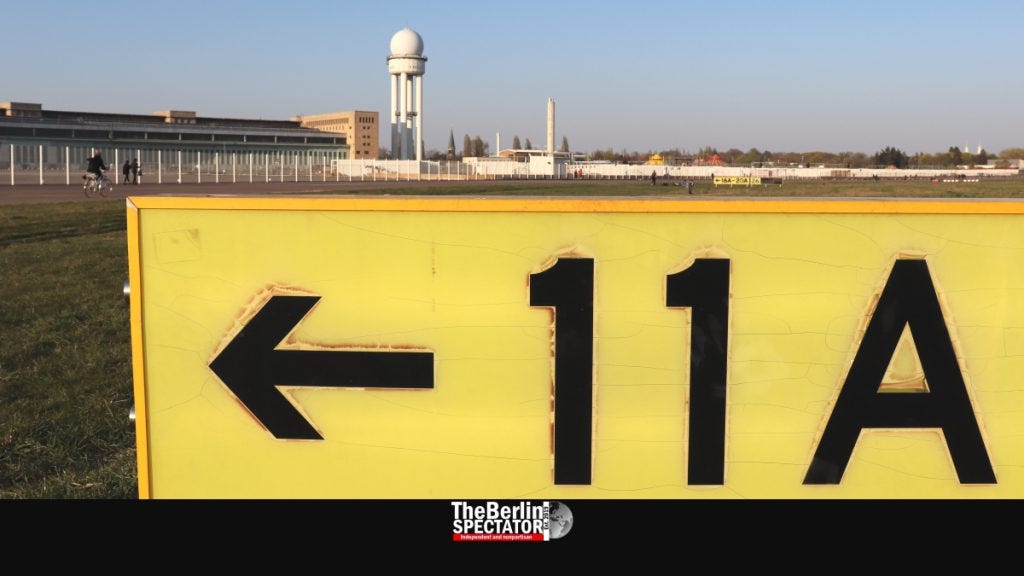
Instead of Airbus and Boeing aircraft, flight controllers, baggage handlers and airfield tankers, tennis courts are located here, a baseball field and beach volleyball facilities. There is so much room at Tempelhof Airport, the city of Berlin even set up a migrant camp here.
The Wright Brothers in Tempelhof
Some 300 asylum seekers live in small portable homes spread over a large area. Children’s bicycles are parked in front of these containers with doors and windows. The inhabitants live at the airport.
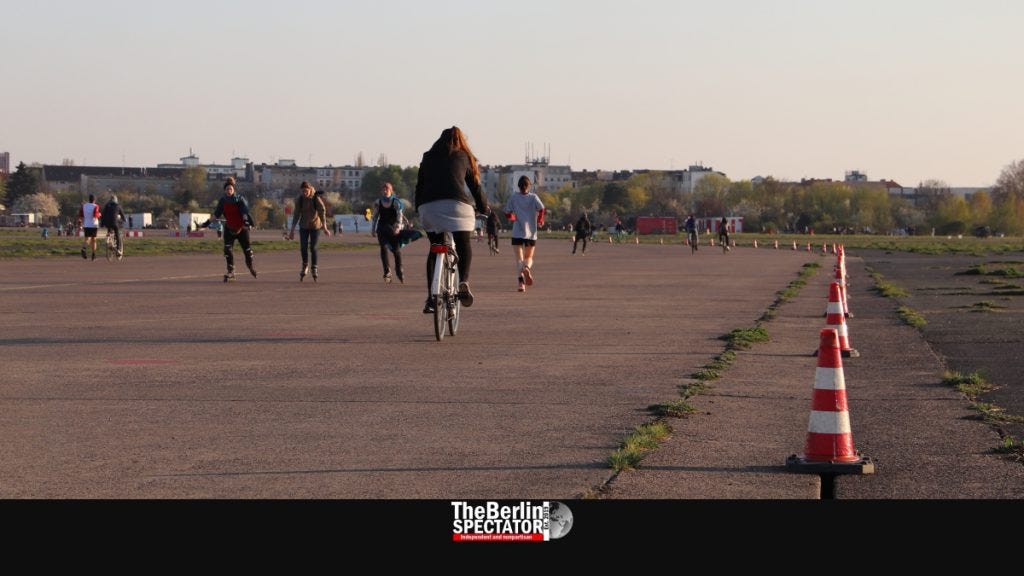
On weekends, sausage, pretzel and beverage stands appear, for the many couples, families and groups of friends who spend their time taking walks, playing ping-pong, showing off their kites or dancing to Latino music and monotonous techno sounds. People use inline skates, skateboards, Segways and anything with wheels. Dogs run around on the taxiways, the runway and the grass. On top of it all, sheep are being accommodated at Tempelhof Airport.
What looks like a rather weird airport today has an interesting and partially tragic history. Orville and Wilbur Wright came to Tempelhof in 1909. The brothers who flew the first steered and motorized aircraft organized an airshow here. It lasted several days.
In 1922, Berlin built what the municipality called a ‘Central Airport’ in Tempelhof. It consisted of two wooden huts and a runway with a grass surface. Only two years later, the airport needed to be expanded.
Forced Labor During the War
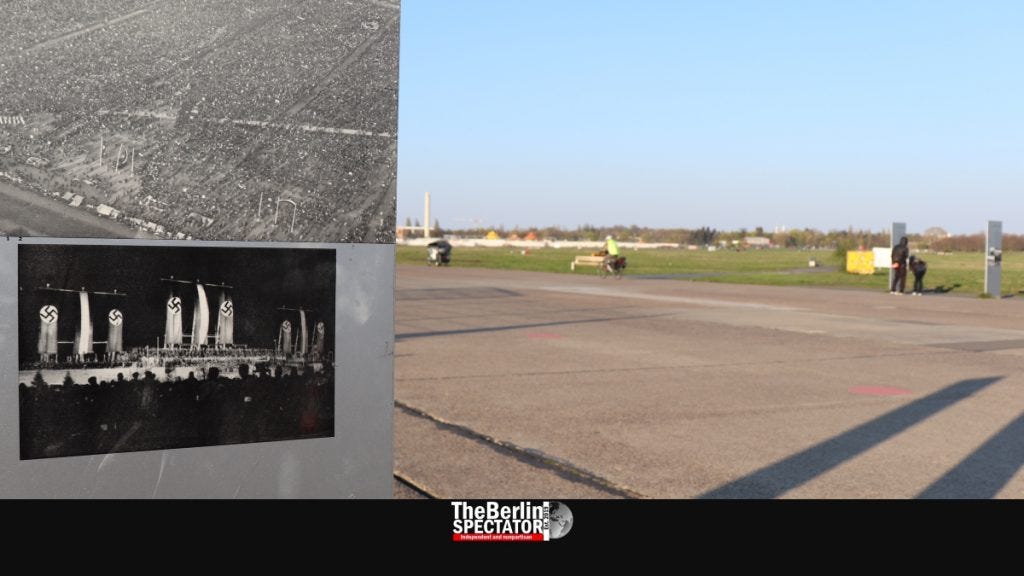
The Nazis wanted to turn Tempelhof into a modern airport in 1934. They commissioned Ernst Sagbiel, a prominent architect. Construction started in 1936, but it was never completed. During World War II, forced laborers assembled bomber planes on the premises. They were freed by the Red Army in 1945.
In June of 1948, the Soviets started their Berlin Blockade, which would take almost 11 months. Since no food could reach West Berlin, the Americans quickly organized the biggest airlift ever, known as the Berlin Airlift, in order to make sure the inhabitants would not starve. The French, the British and other nations helped.
Dozens of planes delivered food from West Germany every day, when the Federal Republic had not yet been founded. All of them landed in Tempelhof. The Berliners who were saved this way called those planes ‘raisin bombers’. In May of 1949, the blockade and the Berlin Airlift ended.
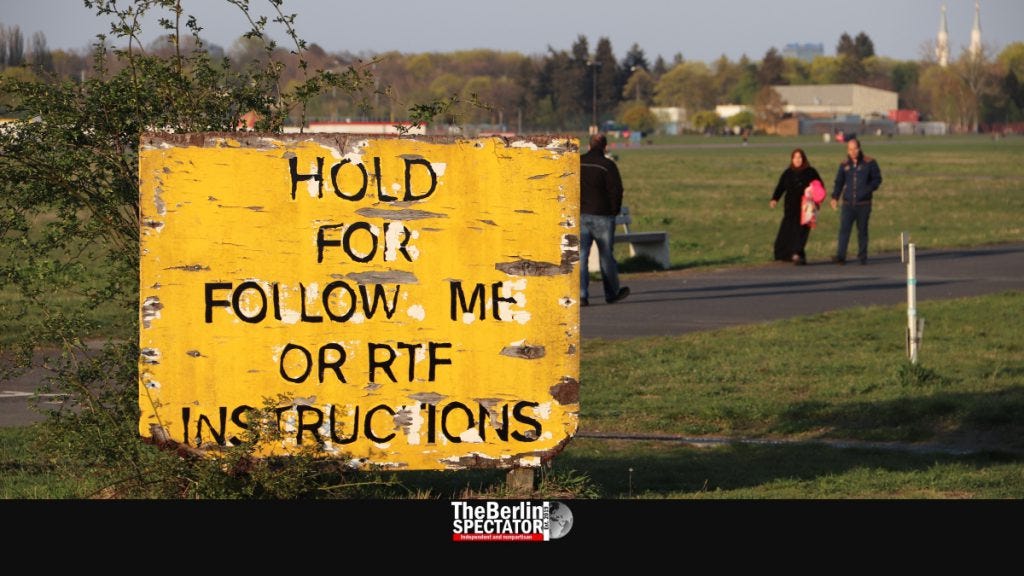
One ‘raisin bomber’, an old aircraft on which it says “Troop Transporter”, is parked right in front of the giant terminal at times. It has been used for movies, including ‘Bridge of Spies’ with Tom Hanks. The Berlin Airlift is being commemorated every year.
No Aircraft Since 2008
Starting in 1951, Tempelhof was used for civil flights, freighters and the U.S. Air Force, until 1975. Once Tegel Airport was ready, operations in Tempelhof were discontinued temporarily. In 1996, a decision was taken to shut down Tempelhof for good. But it took longer. On October 31st, 2008, it was finally over. There have not been flights to or from Tempelhof since.
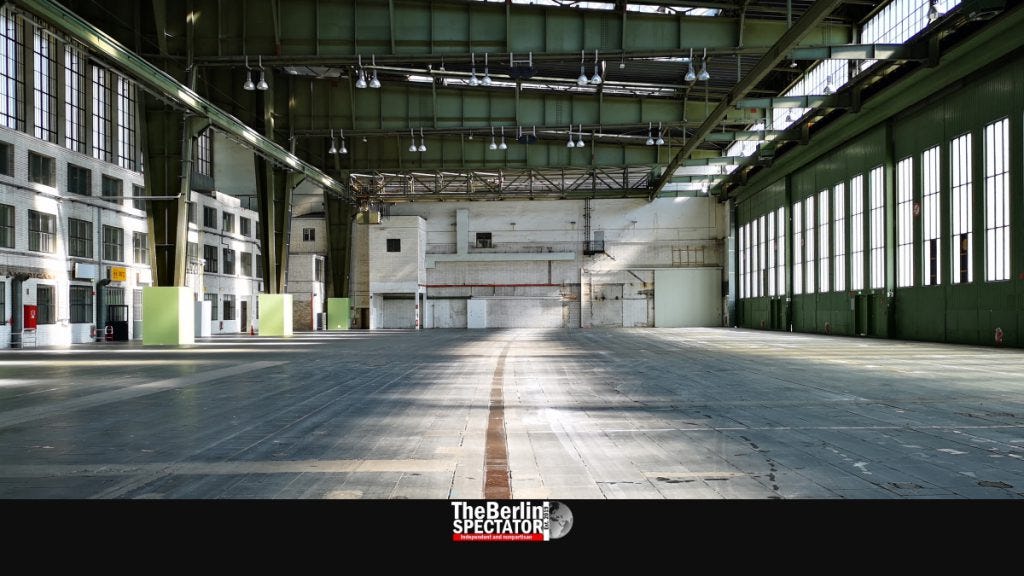
Today, Tempelhof is a multi-purpose spot with a lot of history. The terminal built by Nazi Germany has several layers of basements. At times, guides take groups for spooky sightseeing tours down there. Nobody seems to have explored the huge basements in their entirety.
Today, the kites on Tempelhof field do not have to wait for take-off clearances from traffic controllers in the tower. But dog owners need to clean up after their four-legged friends, especially on the runway.