

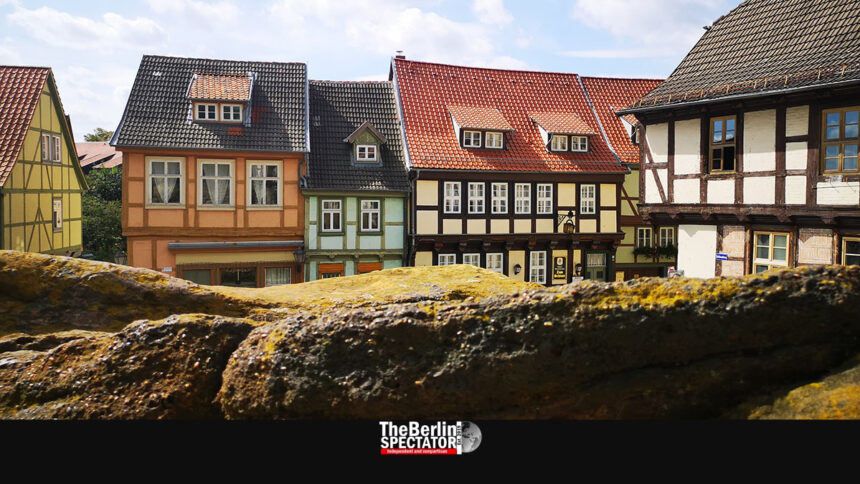
Berlin, November 16th, 2026 (The Berlin Spectator) — Located to the north of the Harz Mountains, Quedlinburg was mentioned in an official document in the year 922. This makes it at least 1,104 years old. In 994, it received the town privilege, and the rest is history, literally. A thousand years of it.
For centuries, this most beautiful town had a free secular women’s foundation, which accommodated unmarried ladies from noble families. Emperors went to Quedlinburg a lot, hundreds of years ago.
Dark Chapter
This stunning settlement known as Quedlinburg survived WWII. The Allies hardly bombed the place, also because no weapons or vehicles were produced there.
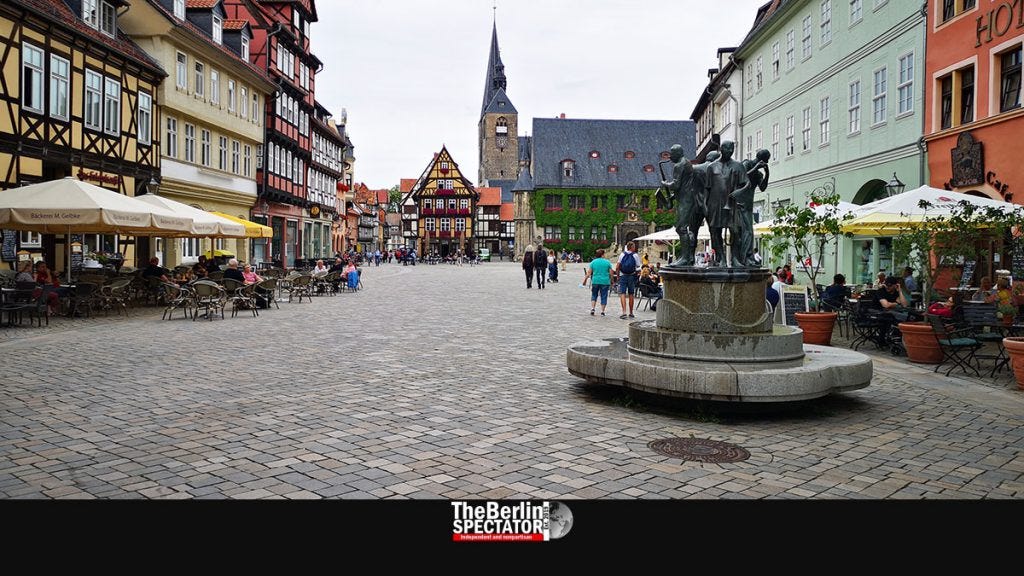
Quedlinburg’s 20th century history does have a dark part: The 1,000th anniversary of the death of King Henry I was used for propaganda purposes by the Nazis. Heinrich Himmler, one of the highest ranking members of Hitler’s regime, was celebrated as a reincarnation of King Heinrich I. Some of the town’s Jews managed to flee, others were murdered. Today, no Jews are left in Quedlinburg.
Decay and Renovation
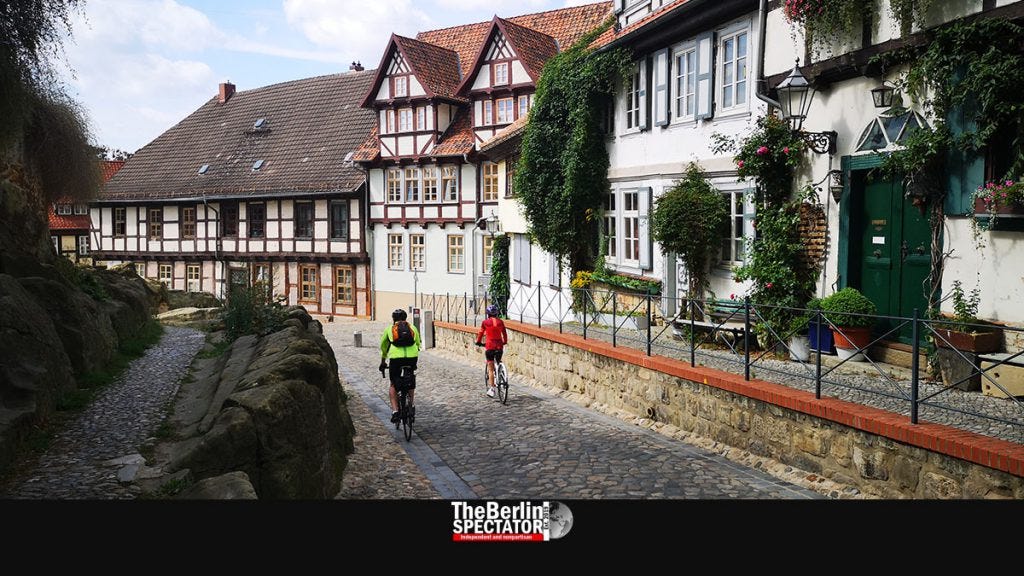
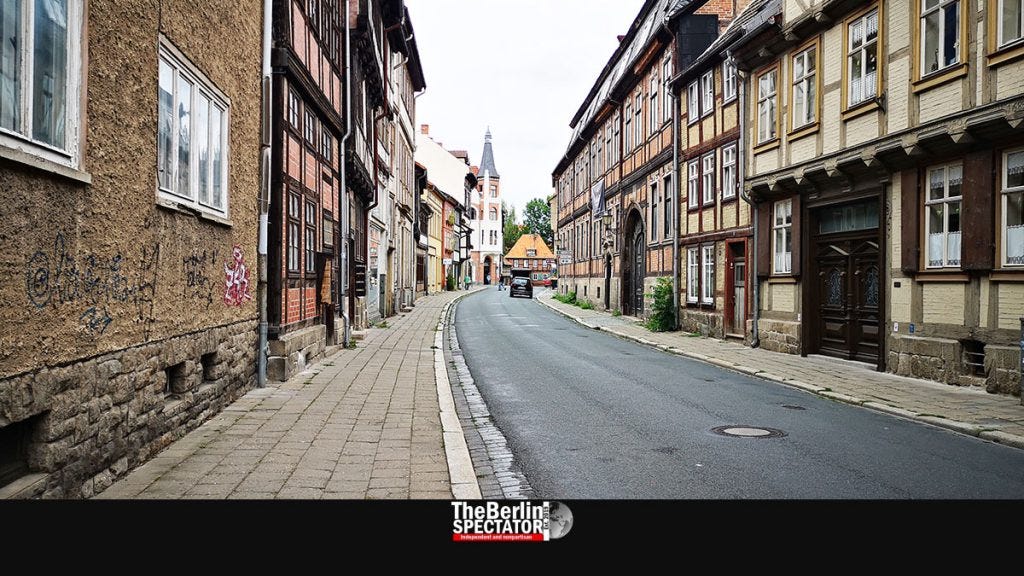
Since Quedlinburg was part of the GDR, decay became an issue after the war. During the Cold War, the communist regime in East Berlin actually wanted to have Quedlinburg’s historic buildings flattened. They intended to replace them with those typical prefabricated apartment blocks. A lack of funds was the reason they did not implement this terrible idea. That is why the historic town still has its 2,000 half-timber houses.
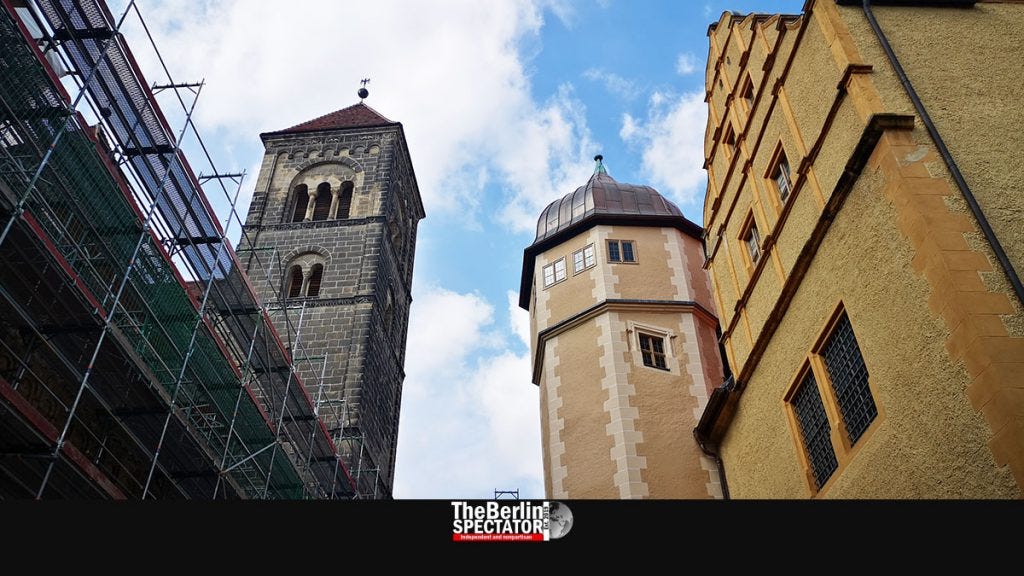
In the town center, every single building is historic and beautiful. Almost everything has been renovated at least once since Germany’s reunification. In Quedlinburg, it is absolutely impossible to shoot a bad photo.
World Heritage
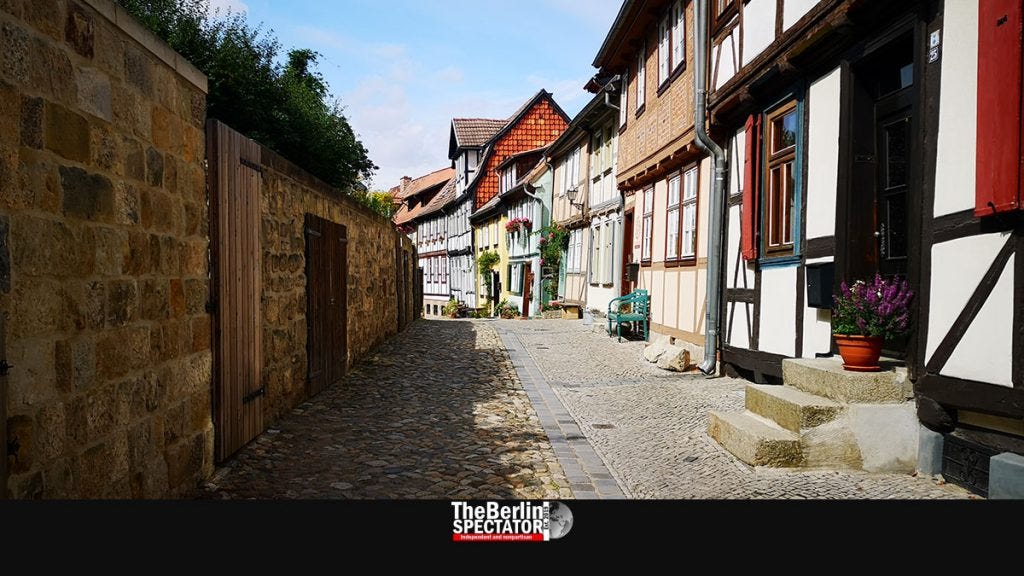
It is not a coincidence that Quedlinburg is part of UNESCO’s list of World Heritage Sites. The cobblestone streets and alleys are stunningly beautiful. So are side streets, back alleys and the main square which is dominated by town hall, a very special Renaissance building. Up on Castle Hill, the Quedlinburg Abbey Church that was built from 1070 to 1129, and its cathedral treasure are among the main sightseeing spots as well. So are the other impressive churches in town.
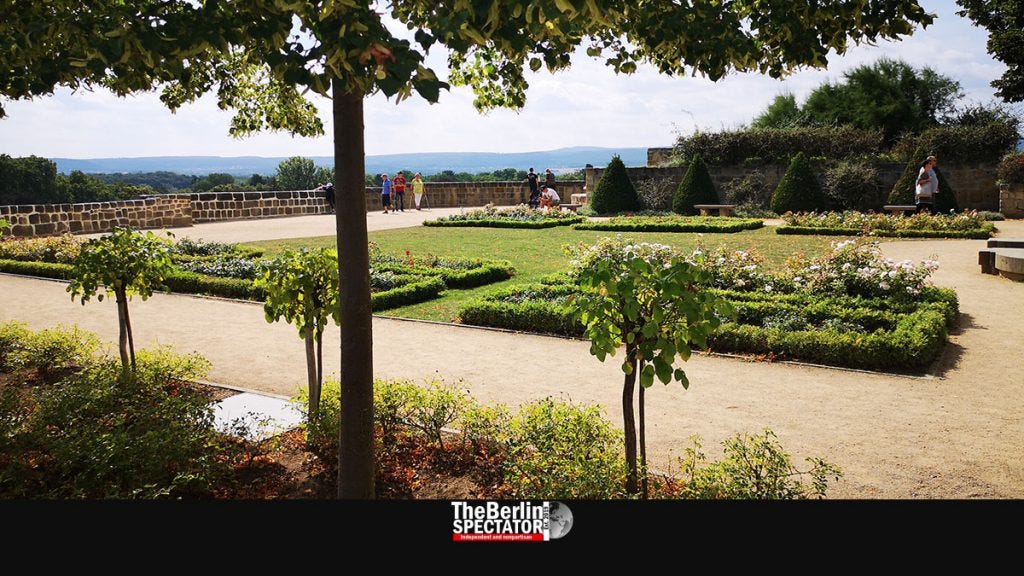
Because Quedlinburg is using part of its income generated from tourism for renovations, there are lots of little construction sites.
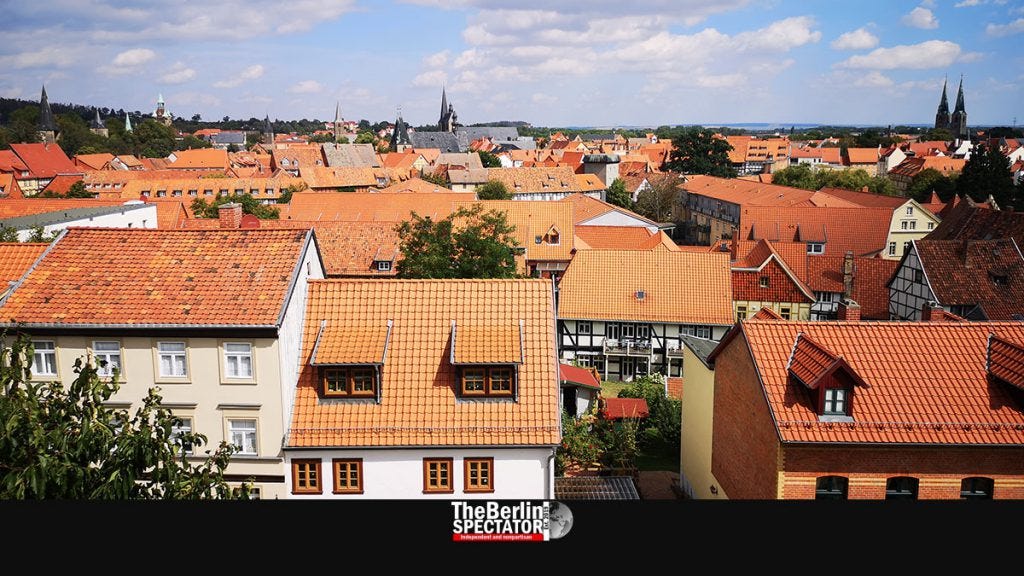
Motivated Guides
In good years, the municipality counts around 1.2 million one-day visitors per year. This number kept on increasing until Corona messed it all up in early 2020. After the pandemic, it skyrocketed again.

Quedlinburg has found a good way of dealing with all of its tourists. First they are guided to big parking lots in front of the city wall. This is where they purchase parking vouchers before they walk into the old town from all sides. They can pick official tours with very motivated guides, or they can just walk around on their own and take pictures of all medieval buildings they find.
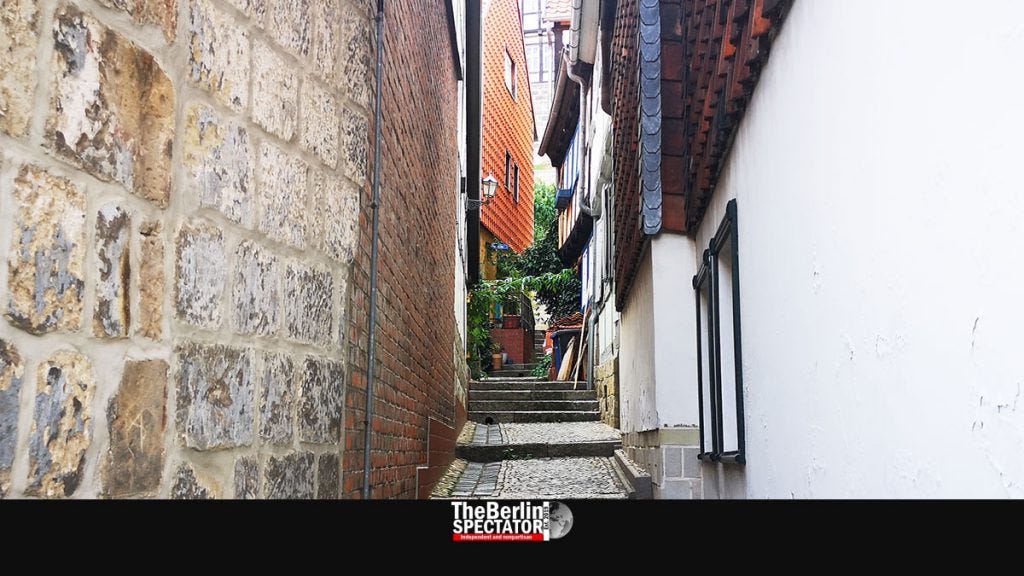
Cake and Wasps
One thing is certain: Walking around makes tourists hungry. This is the moment a million restaurants in Quedlinburg are waiting for. The Schnitzel and the cheesecake they offer are somewhere between average and good. The wasps in the area proved to be big cake lovers too.
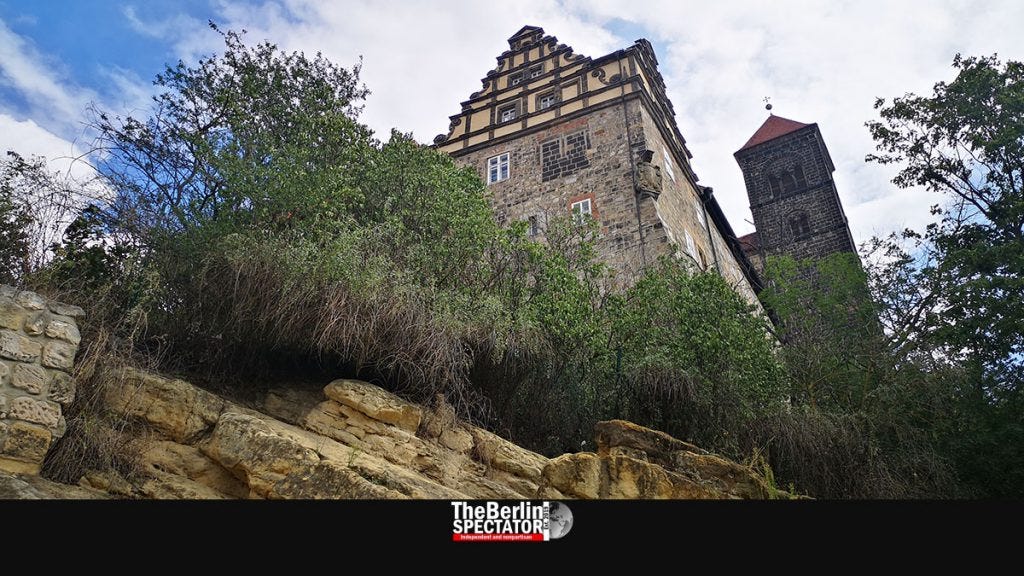
Quedlinburg is a great day trip destination for those who live close by, or an excellent spot to look at on the way into the Harz Mountains. Admiring the entire old town and having a nice meal takes about 6 hours in total. Those who want to enter every church they see will need more time. So will avid photographers.
An earlier version of this piece was published on The Berlin Spectator in late August of 2020.