

Berlin, November 20th, 2026 (The Berlin Spectator) – Any negotiations with Russia on ending the war in Ukraine will apparently include the Europeans. Both Washington and Moscow have indicated as much after two very different summits on Thursday, one in Berlin and one in the Chinese city of Shenzhen.
In Berlin, the “coalition of the willing” convened for its largest meeting so far, bringing together almost 40 countries that back Ukraine politically and militarily. US President Donald Trump joined remotely from Air Force One. Jared Kushner, his son-in-law and one of two special envoys who keep the American channel to the Kremlin open (the other is Steve Witkoff), told the gathering that Trump would not push through any deal on his own. Instead, Kushner said, any agreement would be reached in close consultation with Kyiv and the European capitals.
Thousands of miles away, Putin made a similar admission. After meeting Trump and Chinese leader Xi Jinping, the Russian president conceded that the security of Russia, Ukraine and Europe could not be settled without Europeans in the room. There is a catch, however. Putin wants them to travel to Moscow first and present their positions there. The European side has agreed to go, with representatives of Germany, France, Italy, Poland and the United Kingdom, plus the EU and NATO.
Security Guarantees
Ukrainian President Volodymyr Zelenskyy wants more than that. He is calling for the Europeans to join the next round of talks involving Russia and the US directly, and he urged Washington and Moscow to settle on a venue and a date quickly.
Kushner also reported movement on security guarantees. According to him, Russia no longer rejects protection for Ukraine modeled on Article 5 of the NATO treaty, under which an attack on one member counts as an attack on all. The US had told the Russians that any such pledge would rest on that principle. Moscow has not yet confirmed this. Washington said the three leaders in Shenzhen also discussed the danger posed by nuclear weapons.
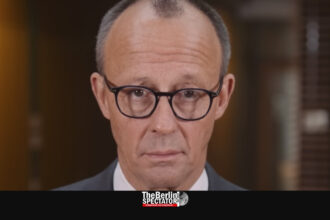
Chancellor Friedrich Merz (CDU) used the Berlin meeting to address Putin personally. He called on the Russian president to stop the war and to seek diplomatic solutions together with Europe, and he promised that the coalition would stand by Ukraine “for as long as necessary”. Europe, Merz said, never wants to live in a divided continent again.
Defense and Energy
On Friday, the focus shifted to the economy at the annual German-Ukrainian Business Forum in Berlin. Merz and Economics Minister Katharina Reiche (CDU) were expected to attend, and Ukrainian Prime Minister Serhij Korezkyj was to lead the delegation from Kyiv. With the war approaching its fifth year, defense and energy are set to play major roles in the talks. Peter Adrian, president of the German Chamber of Industry and Commerce, said that “political solidarity” has to be turned into economic prospects, which requires conditions allowing companies to accept contracts, invest and create jobs despite substantial risks.
Meanwhile, the fighting continues. Russia again attacked Kyiv and other targets in Ukraine with missiles overnight.
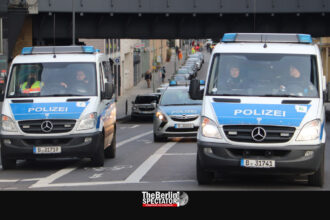
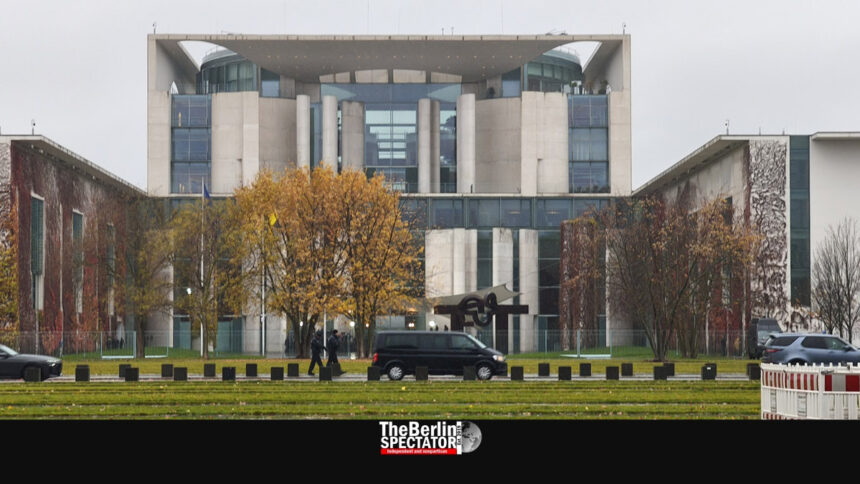
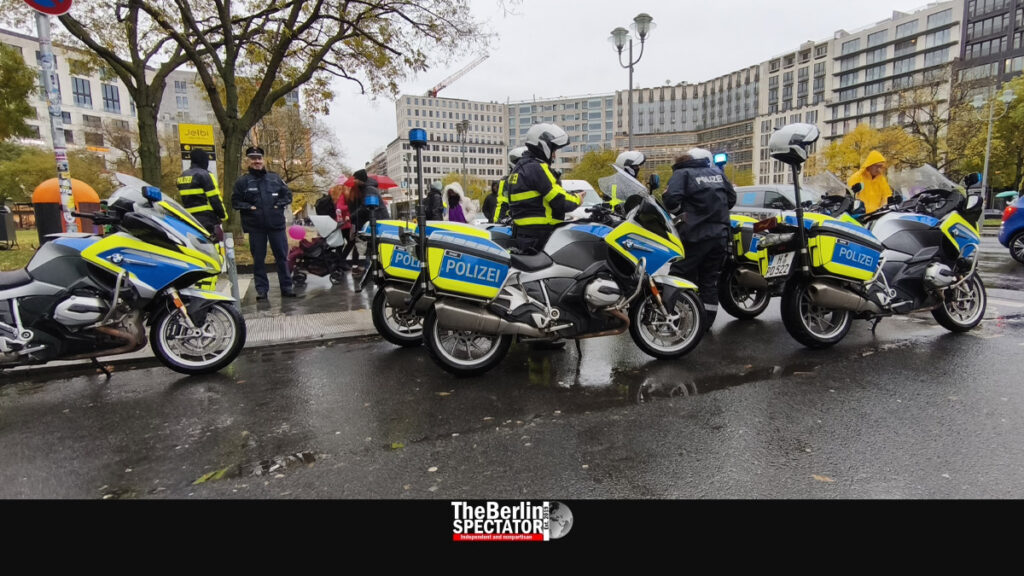
In Berlin, the summit caused trasffic disruptions on Thursday, a situation that will continue today and on the weekend. At the government quarter, police officers from different federal states, including Schleswig-Holstein and Mecklenburg-Hither Pomerania guarded both the Reichstag building and the Chancellery. Thousands of additional officers were present all over the city.
During the summit, there were supposed to be restrictions in Berlin’s public transport system. But on Thursday, things seemed to be running smoothly.