
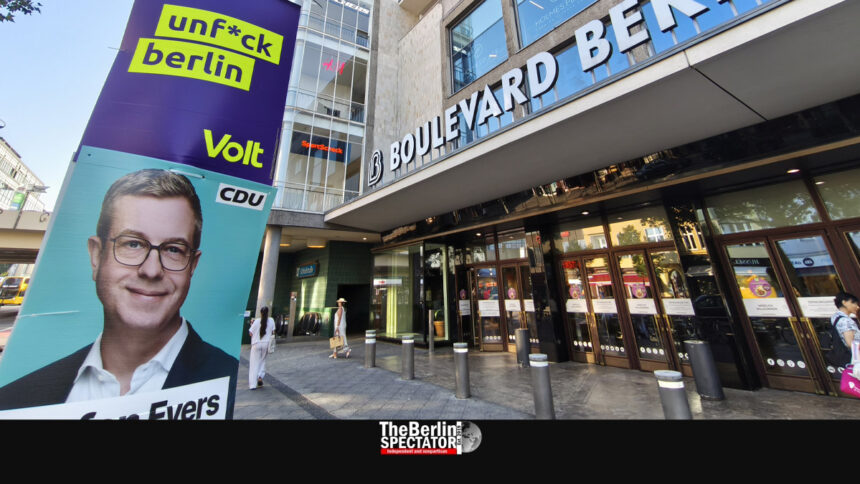
Berlin, August 5th, 2026 (The Berlin Spectator) – Berlin’s big election day is coming closer. On September 20th, 2026, Berliners from 16 years of age have the opportunity to vote for the parties and candidates they want to support for the House of Representatives of their city state as well as for the district assemblies.
Who are the main candidates the major parties are sending into the race and what do they want?
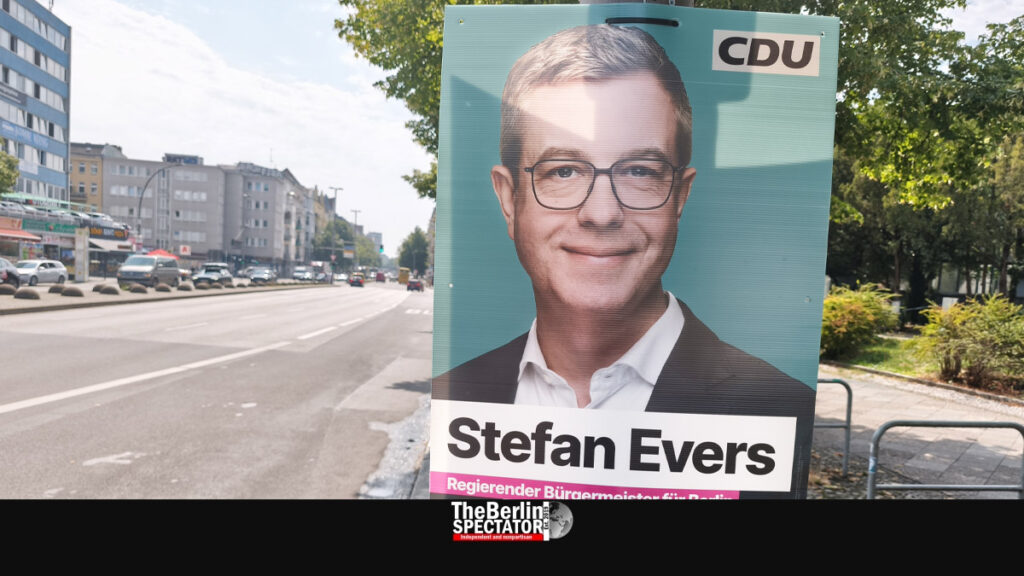
Stefan Evers of the center-right CDU is the busiest man in Berlin. The man from the city of Paderborn is Finance Senator, meaning he deals with Berlin’s budgets and debt every single day. Recently, he also took over another job: He is Culture Senator too since his predecessor stepped down. Guess what: Evers has a third job, namely that of acting CDU party chairman in Berlin. On top of it all, he is the main candidate since today’s Governing Mayor Kai Wegner stepped down from this position due to a self-inflicted credibility crisis.
Evers knows the party and the city he moved to in 1999, also because the lawyer was secretary general of the Berlin chapter of his conservative party. During his time as a Senator, he has accumulated governing experience too. He is married and part of the Association of Lesbians and Gays in the CDU.
In case the CDU is among the election winners, Stefan Evers would probably want to form a coalition with the SPD and the FDP or possibly the Greens. The problem: According to the latest polls, he would need the far-left Die Linke as well. And this is the kind of cooperation no conservative wants.
What does the CDU want? Keep academic high schools, construct apartments faster, car-friendly policies.
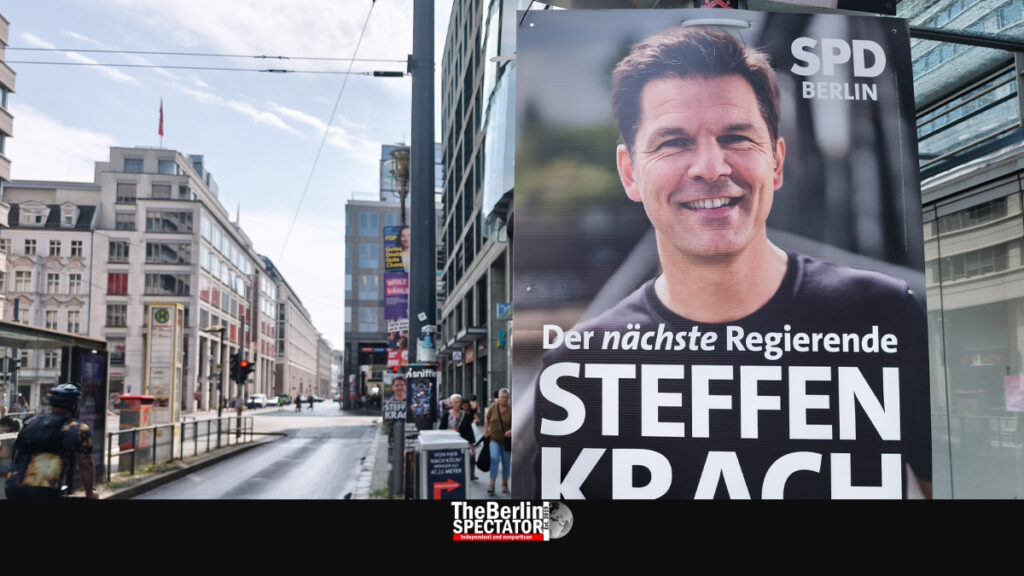
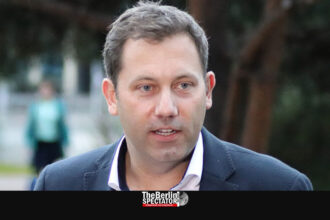
The center-left SPD decided not to enter the race with its drawcard Franziska Giffey, who was Governing Mayor from 2022 to 2023 and had to vacate her office at Red City Hall due to issues with the elections she won. Instead, the Social Democrats settled for Steffen Krach. He may not be experienced in district politics, but he was Regional President in Hanover (Lower Saxony), which counts as well. Krach is a politologist. Years ago, he was an aide to a Berlin Education Senator.
Since March, he has been on leave in Lower Saxony, since he wanted to prepare and commence his election campaign in Berlin. In case he does not win the elections, he intends to stay in Berlin anyway. Born in 1979, Steffen Krach is among the younger candidates in this race. He will turn 47 on Friday.
But can Krach win the election? At this stage, the numbers do not look too good from his perspective. According to the latest polls, he is in fifth place behind Die Linke, the CDU, the Greens and the AfD. If these numbers don’t change, he will not be able to govern with the CDU. A new edition of the recent left-wing coalition with Die Linke and the Greens could work, but he would not become Governing Mayor because his party is weak.
What does the SPD want? Convert empty offices to apartments, housing for trainees, no construction on former Tempelhof Airport.
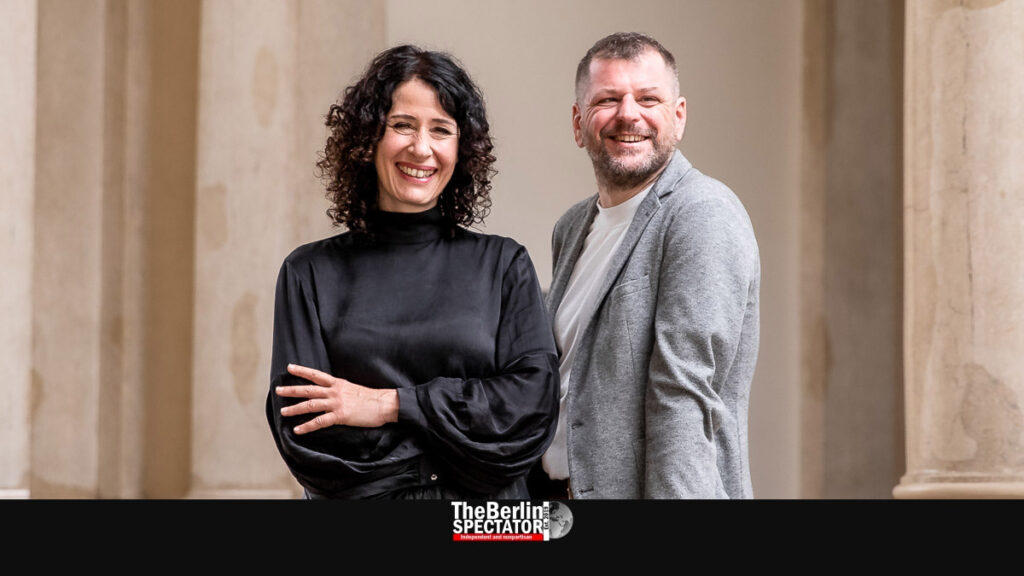
As usual, the left-wing Greens entered the campaign with two main candidates. Bettina Jarasch is well known in Berlin since she was Environment Senator in Franziska Giffey’s city government. Back then, they had a pretty bad argument about flower pots on Friedrichstrasse. But her colleague Werner Graf is the one who is supposed to become Governing Mayor if his party wins, even though he got a little less support than her at the latest Green party convention. Since 2021, he has been a member of the Berlin House of Representatives.
Like Evers and Krach, Graf is from the western part of Germany. And like Krach, he is a politologist, which can’t hurt. Werner Graf was born in 1980, the same year his party was founded. He co-founded the Green Youth Organization in Bavaria. Once he was in Berlin, he became part of the party’s chapter in the Friedrichshain-Kreuzberg, where the Greens always have been very strong.
As a green left-winger, Werner Graf is most likely interested in a left-wing coalition. The probability for a government of this kind might be 50 percent or higher. This is what the latest polling numbers and the profiles of the parties and candidates suggest.
What do the Greens want? Climate protection, affordable housing, transport transition.
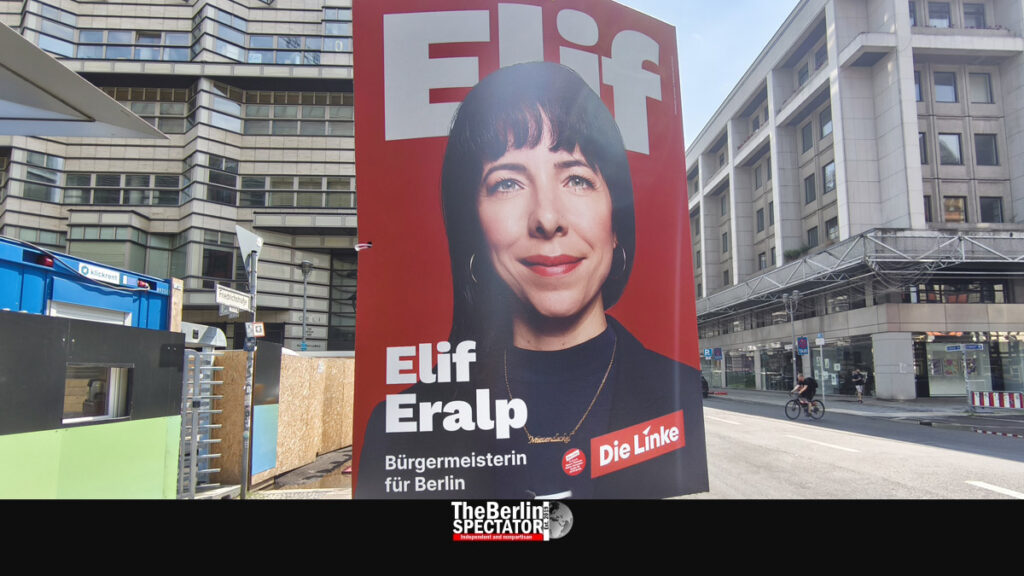
Born in 1981, Elif Eralp is another year younger than Werner Graf. She is the main candidate for the far-left Die Linke. She is the daughter of Turkish socialists who came to Germany because they were persecuted in their home country. Like the four candidates for the parties mentioned above, Eralp is a “Wessi” (the German term for “Westerner”). She was born in Munich and studied law in Hamburg.
Elif Eralp came to Berlin in 2010, where she became a legal adviser for Die Linke at the Bundestag. Only nine years ago, in 2017, she became a member of the party she is running for. While depossessions of large real estate companies with the goal of creating affordable housing in Berlin is the main subject Die Linke is talking about, there is a tendency of hostility towards Israel among some of her party friends.
Her chances to conquer Red City Hall as Governing Mayor are relatively good, if today’s polling numbers become results on election day, and if the SPD and the Greens agree to form a coalition with her. At this stage, Die Linke is about as strong as the CDU and the AfD, a bit stronger than the Greens and several points ahead of the SPD.
What does Die Linke want? Affordable housing, protection for the LGBTQI community.
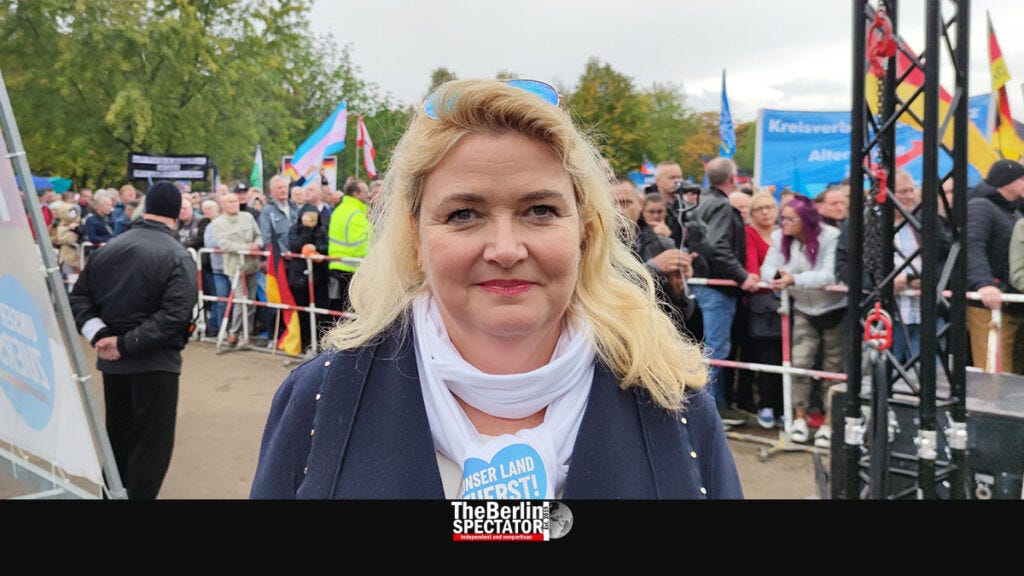
For the third time, Kristin Brinker is the main candidate of the extremist right-wing AfD. Under her watch, the party’s strength doubled, according to the polls. At the same time, the numbers are far lower than those the AfD has in all other federal states in the area of the former GDR. The member of the Berlin House of Representatives became an AfD member when the party was founded in 2013.
Brinker was born in 1972 in Saxony-Anhalt, where her party will likely win the state elections which take place two weeks before the ones in Berlin, on September 6th. She is an architect and moved to Berlin in the nineties. While she is being called a more moderate AfD member by some, it was the extremist wing that helped her advance to becoming the party boss in Berlin.
Brinker’s chances of becoming Governing Mayor of Berlin are practically zero. That is because no other party wants to work with the AfD in any coalition.
What does the AfD want? End immigration, deportation of asylum seekers, create “district police”.
The main candidate for the small center-right FDP is Christoph Meyer. He is the only Berliner by birth on this list of candidates. Can he bring the FDP back into the House of Representatives? The Liberals, as they call themselves, want to strengthen the Berlin economy and concentrate on security and cleanliness.
Alexander King is part of the race for the far-left BSW which is known for hating Israel and supporting Vladimir Putin. Still, it calls itself the “peace party”. It is unclear whether they can pass the five-percent threshold and enter the House of Representatives for the first time. This new party says it wants affordable housing, a minimum wage of 15 Euro per hour and tax-free pensions.