

Berlin, August 19th, 2026 (The Berlin Spectator) – Fatalities linked to the consumption of gamma-hydroxybutyrate (GHB), commonly known as “G” or “liquid ecstasy,” have nearly tripled in Berlin within a single year, according to recent police data cited by the “Tagesspiegel” daily.
Last year, 23 people died in connection with the substance, up from eight deaths the previous year. Dr. Felix Betzler, a specialist in psychiatry and psychotherapy and head of the “Recreational Drugs” research group at Berlin’s Charité university hospital, identifies the drug as one of the major “problem children” facing the local nightlife community.
Classified as a central nervous system depressant, GHB and its fast-acting precursor GBL produce anxiolytic and euphoric effects at low doses. However, medical experts emphasize that the boundary between a desired high and a life-threatening overdose is exceptionally narrow, often spanning a mere few milliliters.
Physical Dependence
Betzler warned that mixing the substance with other depressants like alcohol frequently leads to respiratory arrest, a factor believed to heavily influence the rising death toll. Furthermore, the drug carries a high potential for physical dependence. Chronic users often require redosing every few hours to stave off withdrawal symptoms, which include severe seizures and delirium.
Does The Berlin Spectator have a newsletter? Sure. You can subscribe here.
As the “Berlin daily”Tagesspiegel” reported, withdrawal is potentially life-threatening and “not easily manageable even in clinical settings,” necessitating mandatory inpatient care.
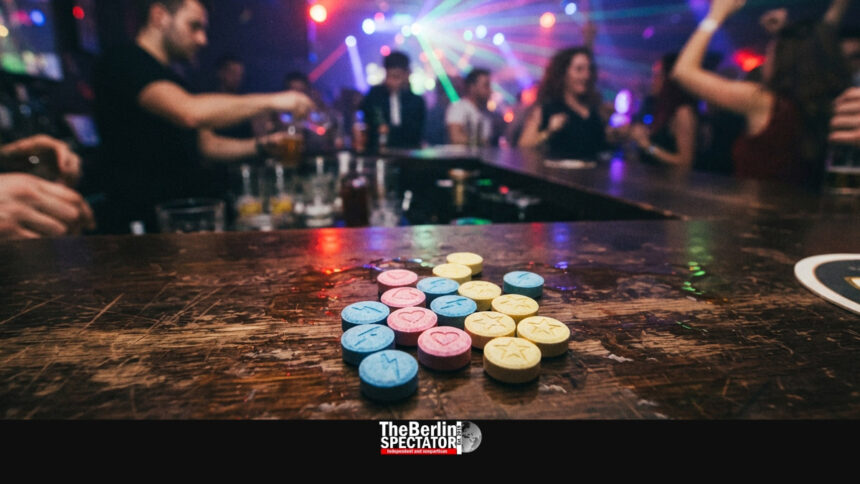
Once predominantly confined to the specialized “chemsex” community among gay men, GHB consumption has increasingly penetrated mainstream party culture over recent years. Emergency departments across Berlin routinely treat GHB-related crises, though professionals view these admissions as only a fraction of total usage.
Awareness Campaigns
While first-time users average around 27 years of age, the demographic remains young relative to the general population due to its prevalence in club environments.
Compounding its public health risks, GHB is frequently exploited as a substance-facilitated assault drug (“date-rape drug”), according to the report. While local authorities and the Berlin Clubcommission have launched public awareness campaigns following past fatalities, debate remains within the nightlife sector regarding strict zero-tolerance policies, with some advocates warning that severe penalties may discourage users from seeking emergency medical assistance.