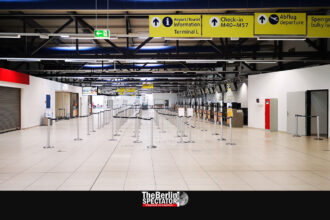


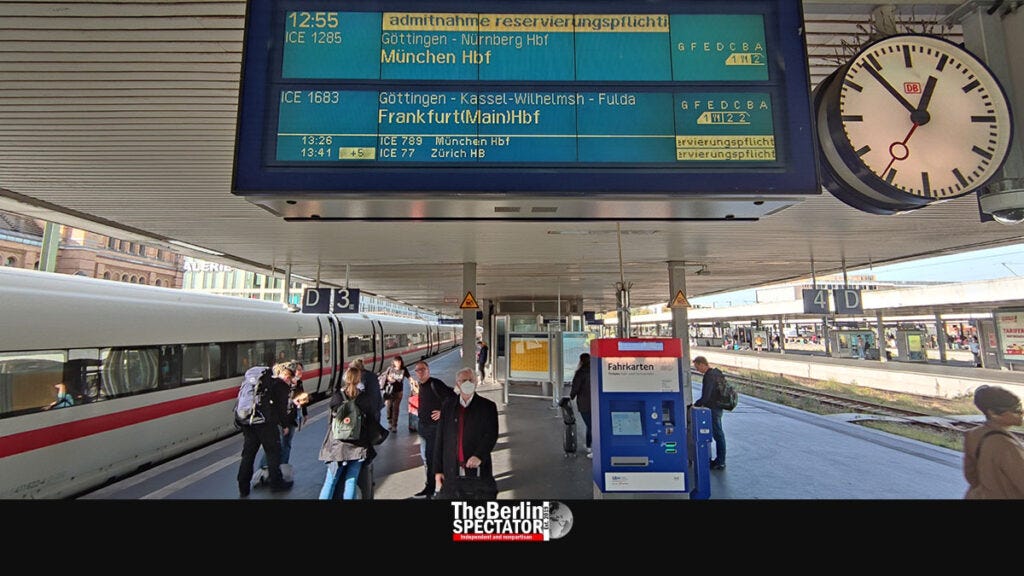
Hanover, June 20th, 2026 (The Berlin Spectator) — “Platform 4: The ICE train no. 631 to Munich Central Station is 25 minutes late today. We apologize.” These are the kind of sentences many people hear the minute they arrive at Hanover Central Station, where 280,000 passengers are registered per day. Germany’s thirteenth-largest city with about 536,000 inhabitants has the sixth-most frequented train station in the country. To many Germans, Hanover’s only purpose is letting them change trains or visit trade fairs at the largest exhibition ground in the whole wide world.
Reference Points
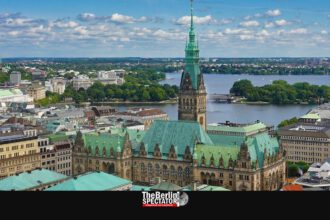
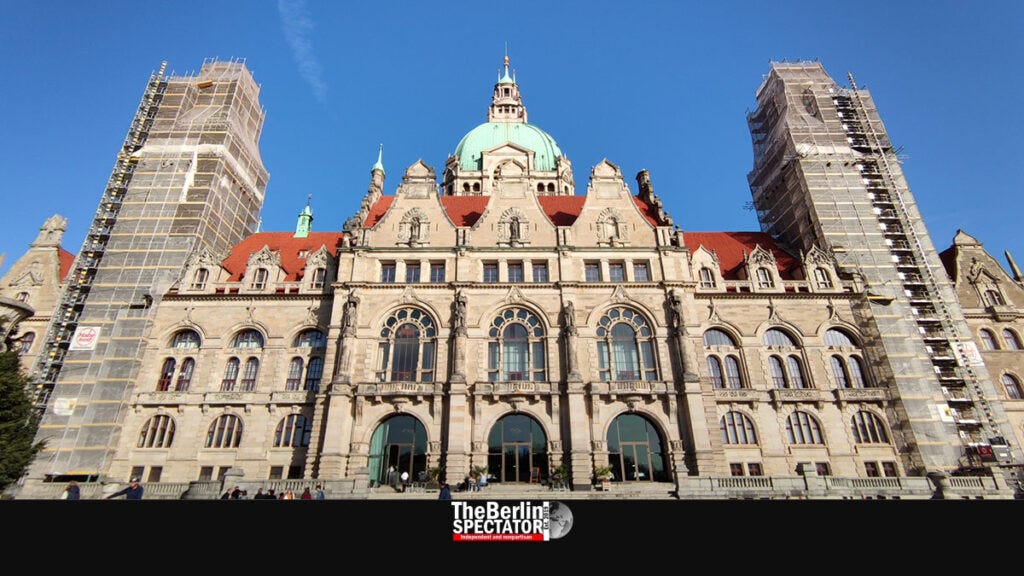
But what about the rest of the city? From 1940 to 1945, the Allies turned Hanover into rubble in more than a hundred airstrikes, for two reasons: First of all, it accommodated several factories that were essential to the fascist Nazi regime’s war. Secondly, Hanover was (and still is) an important traffic junction. In most cases, the British Royal Air Force flew those attacks. Back then, its pilots needed reference points, in order to identify the city center from above. They used two high-rises and New City Hall, which remained intact for that reason.
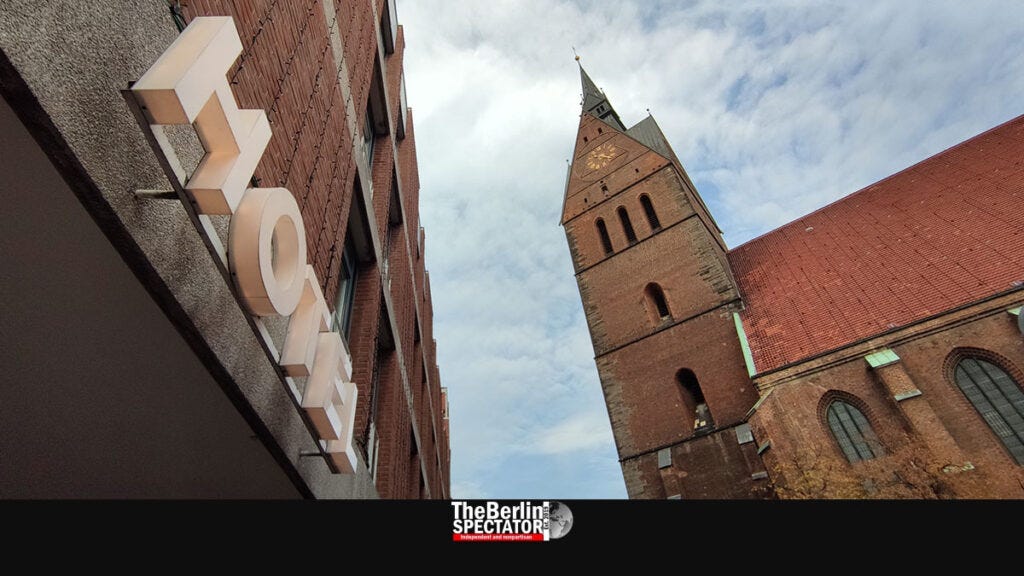
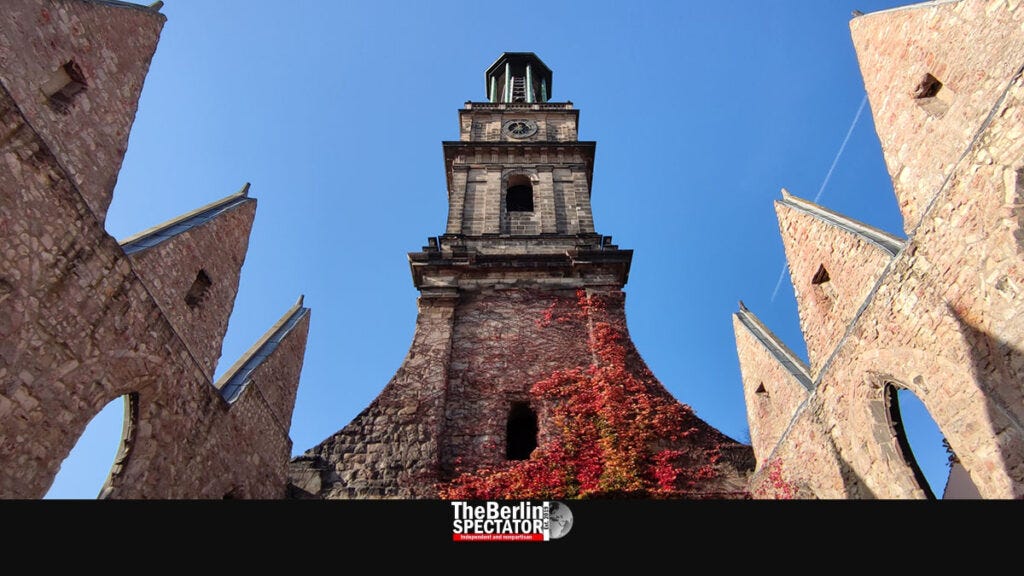
Long before the airstrikes commenced, during the Night of Broken Glass in November 1938, the Nazis destroyed Hanover’s big synagogue. The rubble that was left of it was taken to Maschsee, a large lake in the southern part of the city, and dumped there. Obviously, this was about erasing the history of Hanover’s Jews completely.
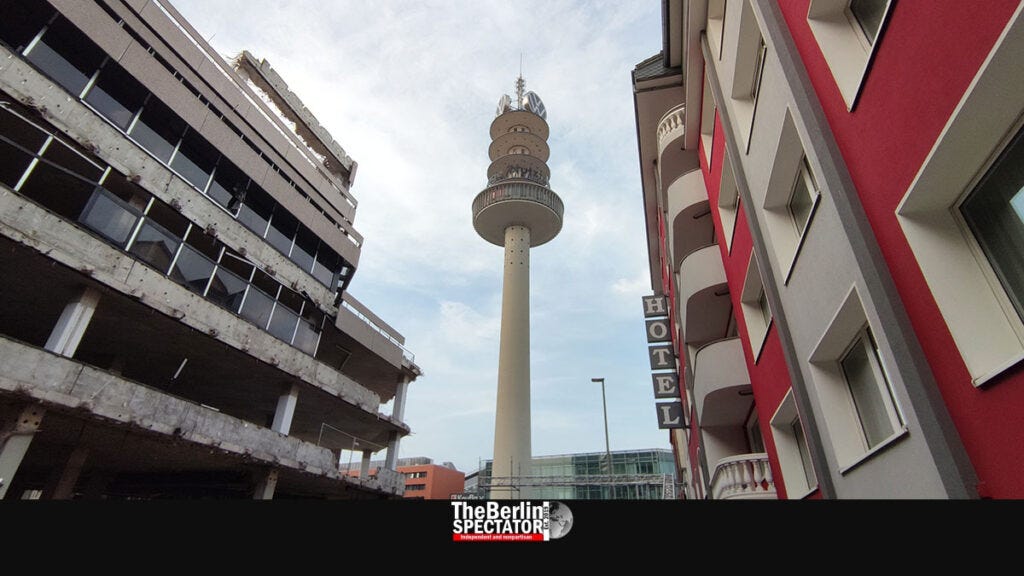
Grey Concrete
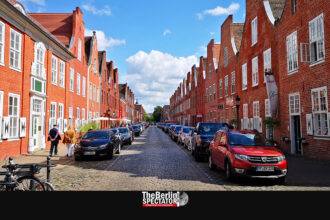
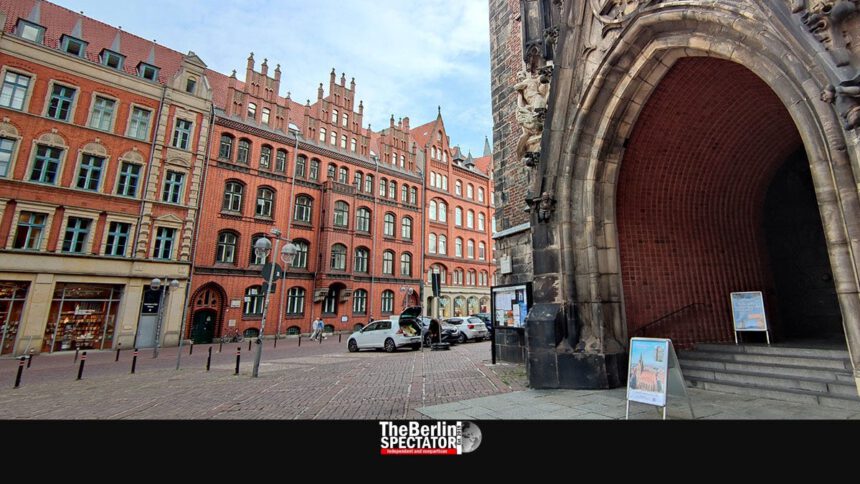
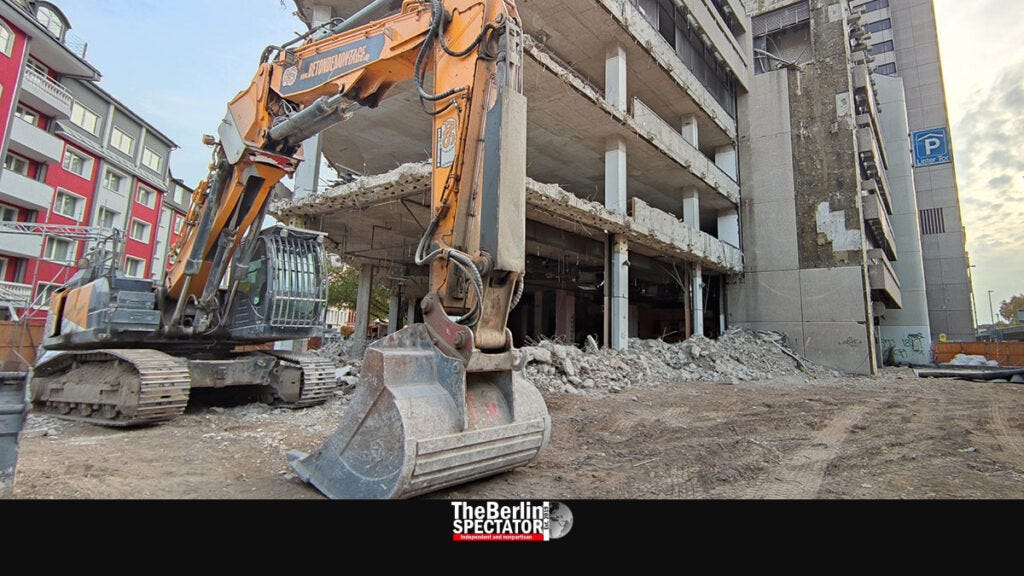
The Allies’ attacks destroyed 48 percent of the city. When Nazi Germany was finally defeated and WWII ended, not much was left. Especially in the center, the damage was absolutely catastrophic. When the rebuilding effort commenced in the 1950s, beauty was not the priority. Into the 1970s, lots of ugly buildings were constructed. Grey concrete spread more and more. This is why Hanover has several parts in which beautiful old buildings that were repaired are surrounded by plain, unattractive ones. Those contrasts, which we can see in many German cities, are interesting though.
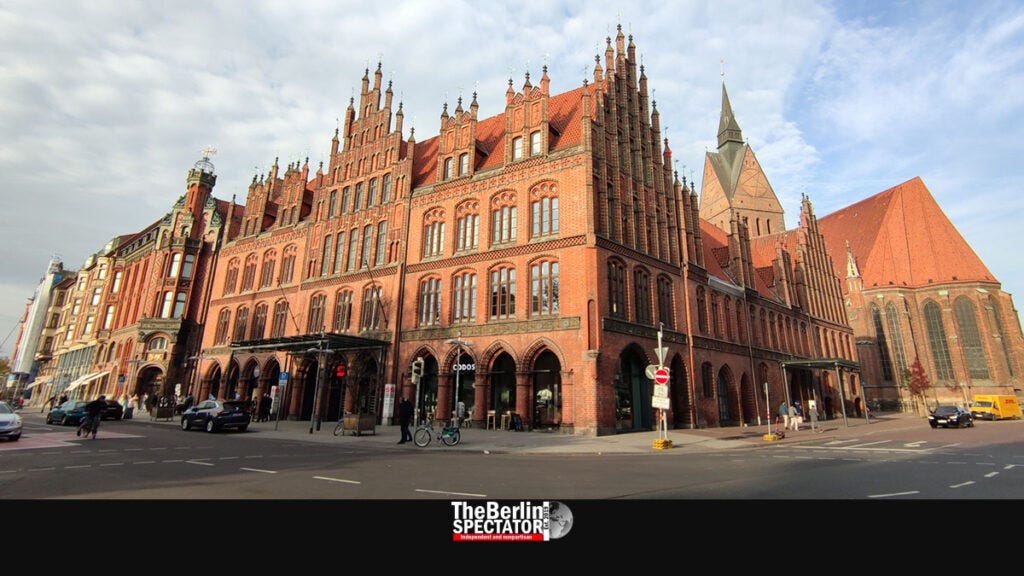
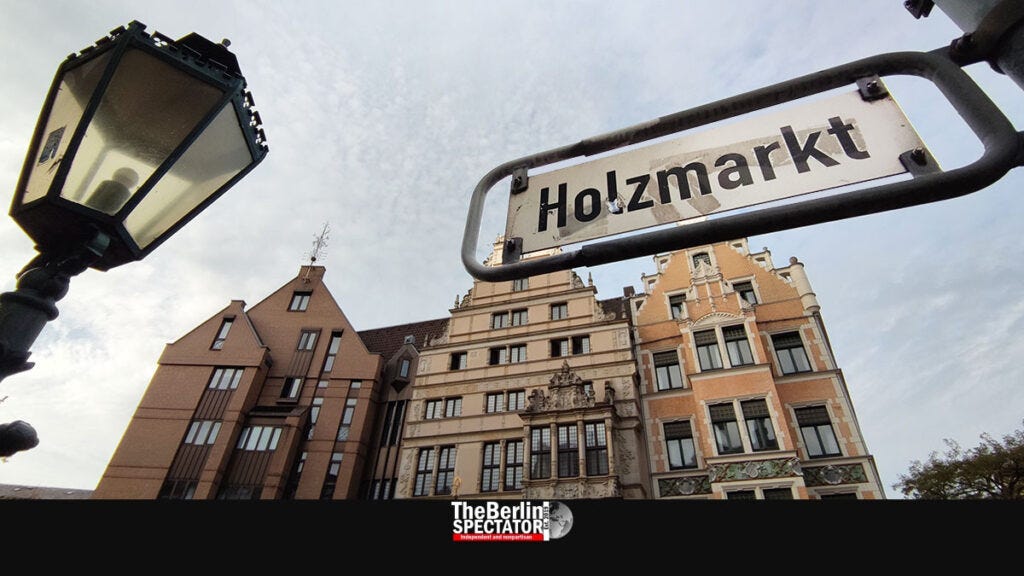
But Hanover’s old quarter reappeared. Improvisation was one of the approaches when facades and other parts of destroyed half-timber houses were removed from the rubble on the streets and attached to any ruins that could be reconstructed, or they were just used to build ‘new old buildings’. Today, the historic city center looks absolutely beautiful. Whoever thinks Hanover is ugly is wrong. The exact opposite is the case.
Kingdom of Hanover
Let’s rewind the story a little, by almost 900 years. In 1150, Hanover was mentioned in an official document for the first time. Some 90 years later, it got the town privileges it needed to grow. Another 580 years later, it was the capital of the kingdom of Hanover. Between 1714 and 1837, the city was connected to Great Britain, which meant that Hanover and Britain had the same monarchs until Prussia annexed the city. Since 1946, Hanover has been the capital of the federal state of Lower Saxony, which was part of West Germany before the reunification occurred in 1990.
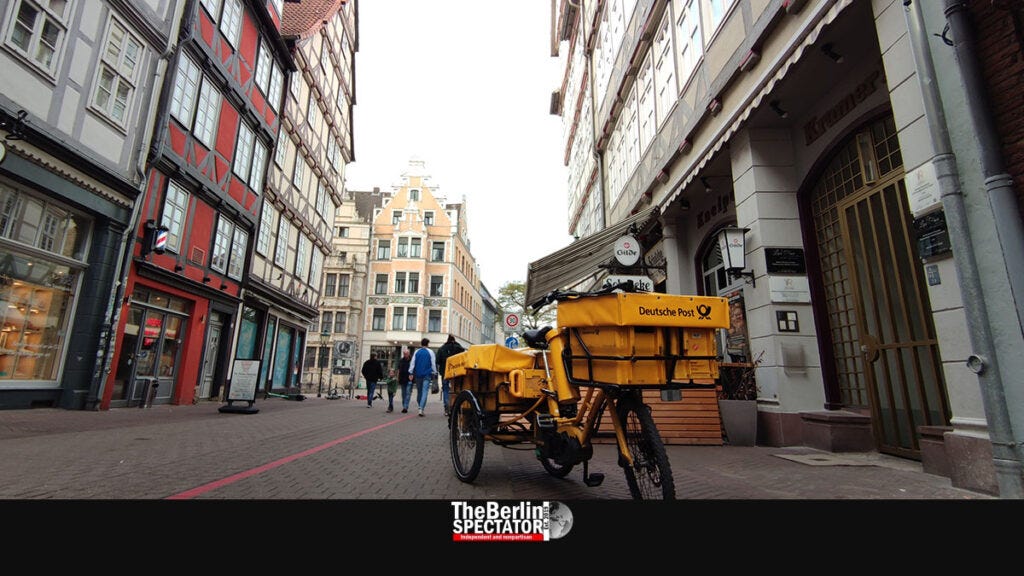
Today, this city is not considered to be a major tourist destination, but it should be. Apart from all the beauty and history, there are millions of good restaurants, and hotel prices are affordable, at least in comparison with certain other northern German cities. So, instead of just changing trains, passengers who have the time and are generally interested in things, should spend a day or two in Hanover to look around and learn.
Expensive Renovation Effort
We mentioned New City Hall earlier, one of the few major landmarks that survived. This majestic building is not as new as its name suggests. But, inaugurated on June 20th, 1913, it is still a lot newer than Old City Hall, the construction of which commenced in 1410. In between, in the year 1637, to be exact, the Leineschloss was constructed. In those WWII bombing raids, it got destroyed. From 1957 to 1962, the palace was rebuilt. Now, it accommodates Lower Saxony’s state parliament. After a more recent long and expensive renovation effort, it was reopened in 2017.
Shopping Sprees
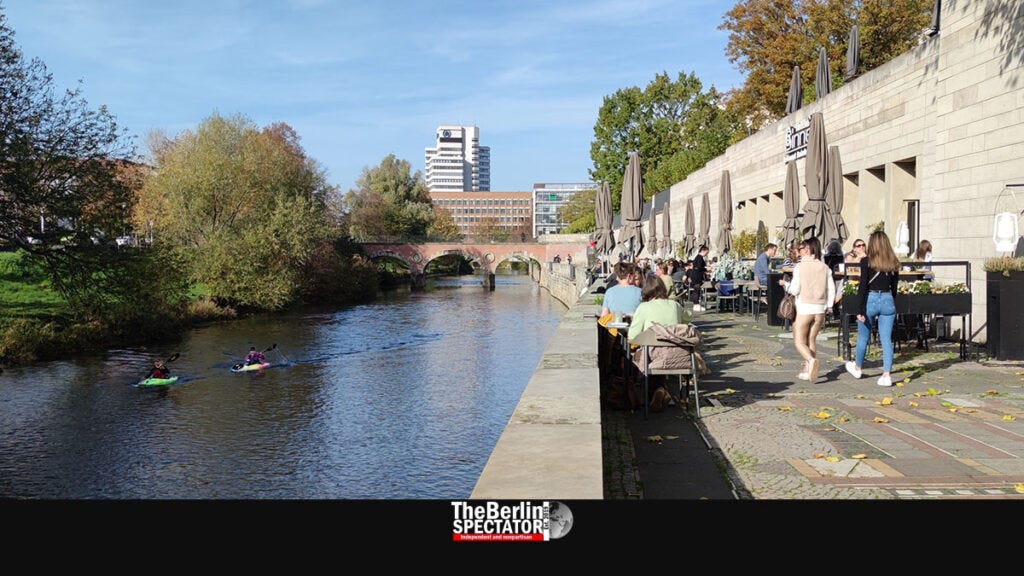
Tourists who want to take a break from looking at buildings and learning about Hanover’s history have some options. One of them is having an ‘Apfelschorle’ at a café at the Leine river. Of course, having a refreshing beverage can be combined with consuming a delicious meal at one of the countless restaurants in the old quarter. Also, Hanover has a lot of greenery and water. Taking walks around the Maschsee lake or exploring the Maschpark or the Eilenriede City Forest is always a good idea. Or, even better, look at Herrenhausen Palace and the Herrenhausen Garden around it.
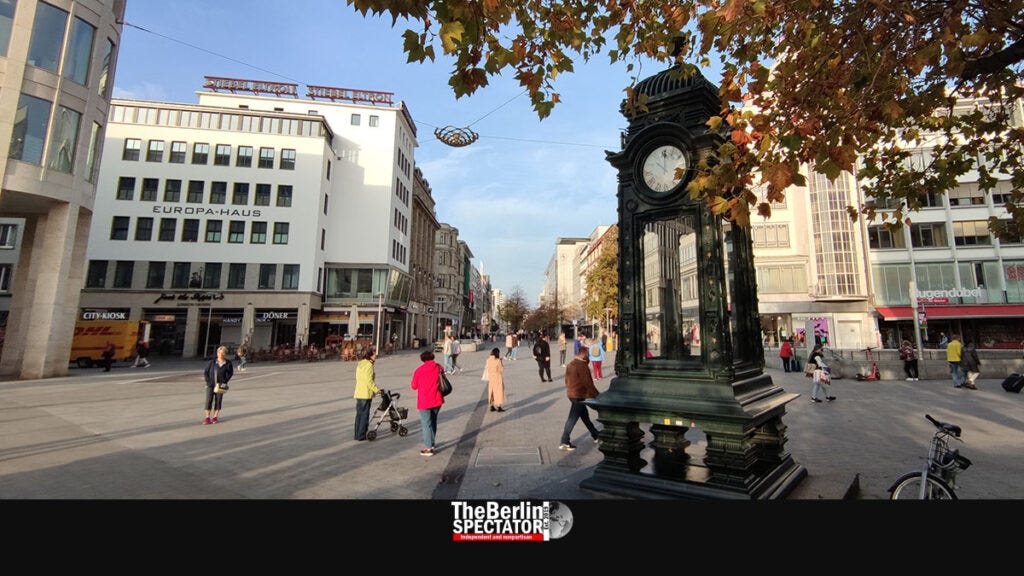
There is yet another popular activity people engage in when they come to Hanover. It is known as shopping. The pedestrian zone in the less beautiful part of the city center accommodates all kinds of shops anyone could be looking for. Maxing out credit cards is easy in Hanover. The big Kröpcke Clock at Kröpcke square gives you the time, but it does not tell you how much money you have spent already.
Two Days
Exploring the most interesting parts of Hanover (German spelling: Hannover) takes about two days. Most residents our reporter ran into were friendly and open-minded.
An earlier version of this feature was published on The Berlin Spectator in October of 2022.