

Update August 3rd, 2026: The Waldsiedlung Zehlendorf now has UNESCO World Heritage status.
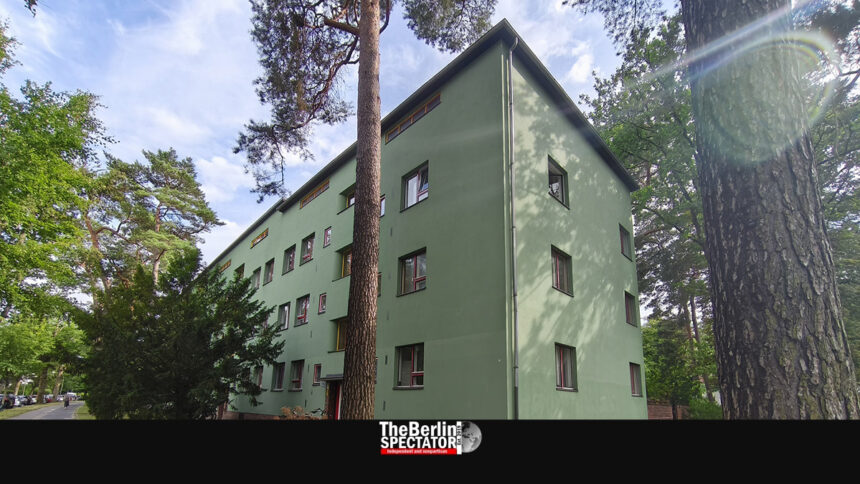
Berlin, July 16th, 2026 (The Berlin Spectator) – A brightly painted housing estate in the leafy southwest of Berlin is one step away from joining the ranks of the world’s most celebrated cultural landmarks. The Waldsiedlung Zehlendorf, better known to locals as the “Papageiensiedlung,” or Parrot Estate, for its riot of colorful facades, is under consideration for UNESCO World Heritage status. A decision is expected soon.
The UNESCO World Heritage Committee opens its 48th session in Busan, South Korea, this coming Sunday, July 19th. A ruling on the Berlin estate’s application is anticipated roughly ten days into the gathering. Berlin’s Senator for Urban Development, Christian Gaebler of the SPD, said the city now has “little to do but wait and hope”, according to German-language media reports.
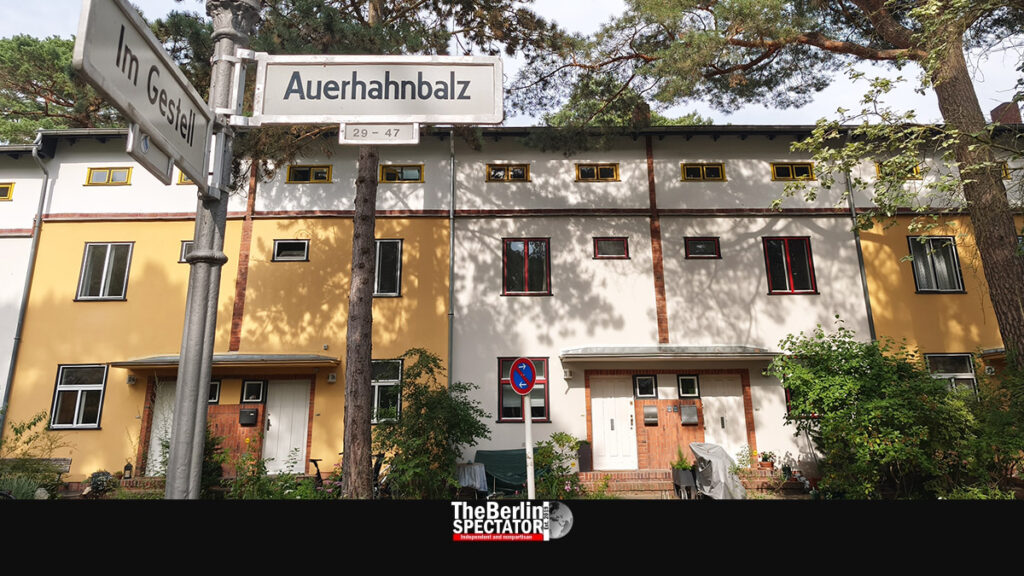
Home to some 4,000 residents, the estate was built between 1926 and 1932 by the nonprofit housing cooperative Gehag and stands as one of Germany’s most significant Bauhaus-era developments. Architects Bruno Taut, Hugo Häring, and Otto Rudolph Salvisberg pushed through a design philosophy that was radical for its time, fusing open, modern architecture with a commitment to affordable housing for working people, despite fierce pushback from conservative critics of the era.
Colors vs. Grey
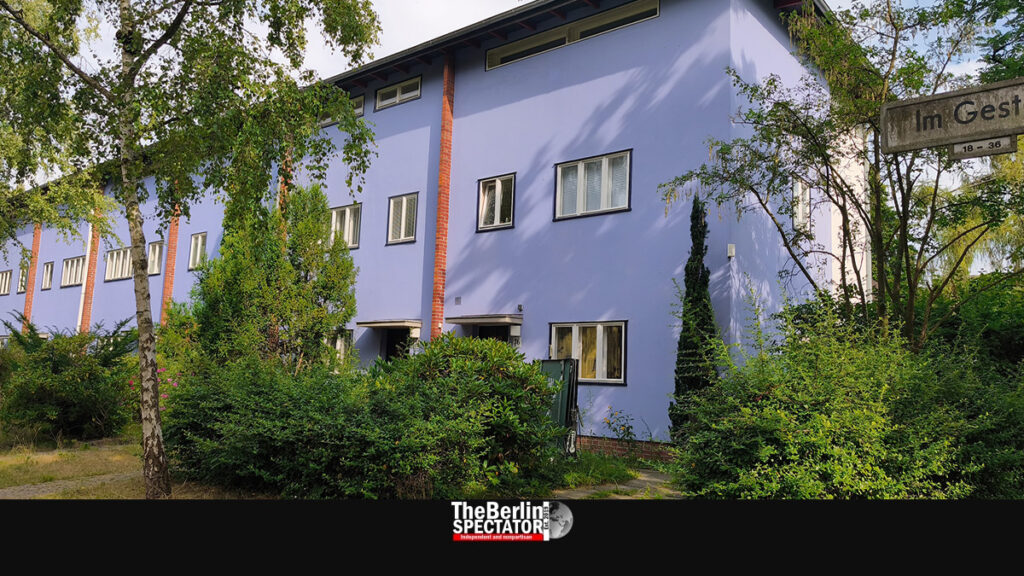
The estate takes its nickname from its unmistakable color scheme: yellow, blue, green, and deep red facades, tri-colored window frames, cheerful front doors, small balconies, and courtyards shaded by birch trees. In a period when ordinary Berliners were crowded into grey tenement blocks with grim interior courtyards, the visual contrast made headlines. Its flat roofs became a particular flashpoint, sparking what came to be known as the “Zehlendorf roof war,” as builders directly across the street erected homes with traditional pitched roofs in protest.
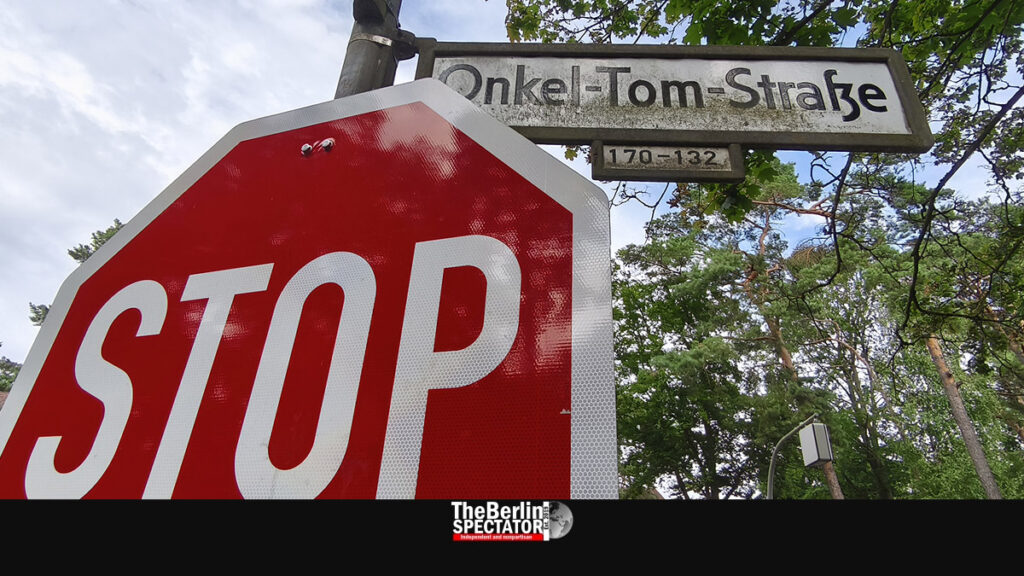
Beyond the color and controversy, the estate introduced genuine innovations for its era, including built-in pantries and windows designed to open in multiple directions for better air circulation. Local historian and resident Ute Scheub, who has written a book on the estate’s hundred-year history, said Berliners once flocked to Zehlendorf on weekends just to see it for themselves, a practice that only grew easier after 1931, when a new U-Bahn line reached “Krumme Lanke” station, and “Onkel Toms Hütte” station opened with its own row of neighborhood shops.
The Berlin Spectator does have a newsletter. You can subscribe here.
Not everyone could afford to live there, even in the estate’s early years. Tenants tended to be minor civil servants, police officers, tradespeople, and union members, though the neighborhood also attracted well-known figures, including actor Theo Lingen, writer Johannes R. Becher, and SPD politician and Nazi resistance figure Julius Leber, according to Scheub’s research.
Split Mood
The estate’s character shifted significantly around the turn of the millennium, when a cash-strapped Berlin sold off municipal assets and privatized Gehag. Row houses were sold to private buyers, often to sitting tenants, while many of the apartment units eventually passed through hedge funds into the hands of Deutsche Wohnen, now part of Vonovia.
That shift has left some residents uneasy about what World Heritage status might bring. Barbara von Boroviczeny, a longtime resident active in a tenants’ initiative, argued that the sale to private investors has already sidelined residents’ concerns in favor of profit-driven property management, a dynamic she said runs counter to what Taut and his fellow architects intended. Her chief worry is that heritage recognition could drive rents even higher. According to those German reports, a Deutsche Wohnen spokesperson pushed back on that concern, insisting there is no link between landmark or heritage status and rent levels.
Property owners within the estate are similarly divided. Strict preservation rules already apply, Scheub noted, to the point where installing something as minor as a window blind can draw the attention of heritage authorities, and residents say they’ve had little say in how those rules are set. Scheub described the mood as split between support for the nomination and real apprehension about what comes next.
Manaus and Belém
Technically, the bid is not a new nomination but a supplementary one. Six other Berlin Modernism housing estates, including the well-known Hufeisensiedlung in Neukölln and the Weiße Stadt in Reinickendorf, were already inscribed on the World Heritage list in 2008. The Papageiensiedlung was left off at the time due to its poor state of preservation. Success this year would add it to a Berlin heritage roster that already includes Museum Island and the Prussian palaces and gardens spanning the city and Potsdam.
Worldwide, UNESCO’s current list includes 1,248 cultural and natural sites across 170 countries, 55 of them in Germany, ranging from King Ludwig II’s Neuschwanstein Castle to the Ice Age art caves of the Swabian Jura. This year’s 30 new global nominations also include the Teatro Amazonas in Manaus and the Teatro da Paz in Belém, both in Brazil, as well as the Allied landing beaches of Normandy in France.
The Berlin Spectator
https://berlinspectator.com/
Newsletter: Subscribe here
Contact: berlinspectator (at) gmail.com
Our sister website (in German):
Berlin Minus
https://berlinminus.de/